
The True Cost of Ozempic: Health Risks, Side Effects, and Regret
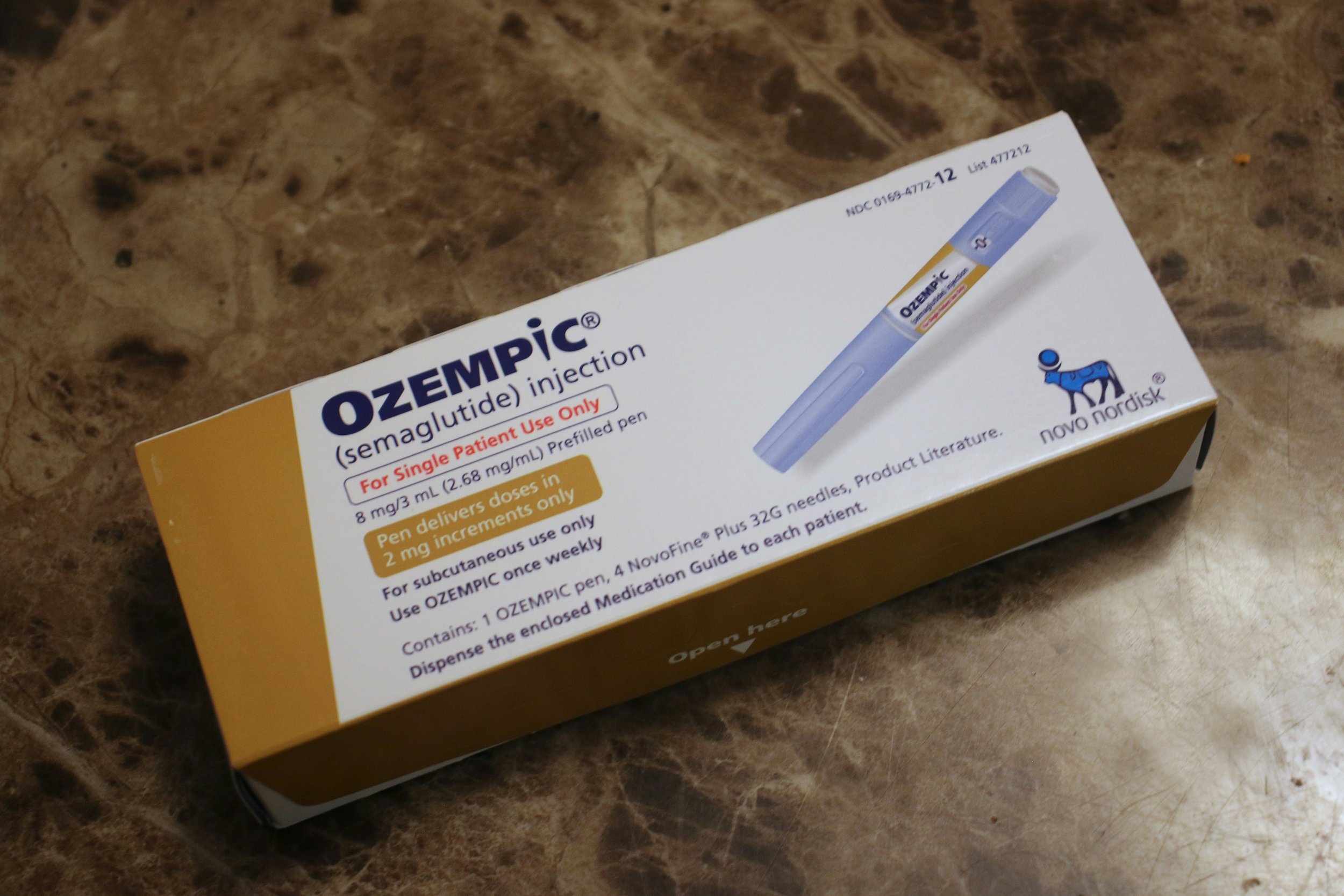
Ozempic has been everywhere lately: on social media, in celebrity stories, and in conversations about weight loss. It’s often painted as a quick and easy fix for weight loss, but there’s a lot more to the story, especially when the discussion turns to Ozempic's health risks.
If you’ve looked a little deeper, you might have noticed that not everyone feels the same way about it. Like many medications, there are plenty of mixed feelings out there.
Some people are excited about their results, while others are quietly dealing with side effects, unexpected challenges, or even regret. Both experiences are real, and it’s okay if you find yourself somewhere in the middle.
That’s why I want to talk honestly about what Ozempic really costs… Not just in dollars, but in terms of your body, your emotions, and your daily habits. From the start, I want to remind you that my goal is NOT to scare you or judge your choices. I want you to feel informed and supported, no matter what you decide.
Key Takeaways
Ozempic can be a helpful tool for weight loss, especially for those it was intended for (those with Type 2 Diabetes or obesity).
That said, it also comes with Ozempic health risks. Everyone’s experience is different: some people have an easy time, while others run into side effects or challenges that affect their day-to-day life.
If you’ve heard about people regretting taking Ozempic, it’s often because they didn’t have the right support or plan in place, not because the medication itself is ‘bad.’
The good news? When Ozempic is combined with guidance, structure, and healthy habits, people tend to see much better results.
⚠️ Disclaimer
One thing I want to share as we get started: Deciding whether or not to take Ozempic (or any other medication to help with weight loss) is a decision for you to make with your doctor/trusted medical team. The information in this article is NOT meant to be taken as medical advice or to “sway” you one way or another. Please consult your doctor to discuss if you are a candidate for any GLP-1 medications, as well as the personal “cost” for you.
What People Mean When They Talk About the “Cost” of Ozempic
When you hear about the cost of Ozempic, you might first think about the price tag. That’s definitely a factor to consider, but the real “cost” goes far beyond just money.
There are three factors people tend to forget about while focusing only on weight loss:
The physical “cost” of how your body reacts, the side effects you might notice, and what happens when weight comes off quickly.
There’s also the emotional side, like feeling frustrated, unsure about food, or even guilty, depending on your beliefs about weight loss.
And don’t forget the behavioral side: how your routines, eating habits, and relationship with food can shift while you’re on (and after) the medication.
Remember – this doesn’t mean Ozempic is ‘bad’ or ‘good! It just means that there is a different outcome for everyone. The more you understand these layers, the more confident and intentional you can be about your decision whether to take the drug or not.
Ozempic Health Risks: What We Know So Far
Let’s talk about the health risks of Ozempic with facts, not fear. Ozempic (semaglutide) is FDA-approved and has been well-studied, especially for type 2 diabetes and weight loss. But like any medication, it does come with possible risks and side effects.
The most common side effects are stomach-related, such as nausea, vomiting, bloating, or changes in digestion. For some, these are mild and go away quickly. For others, they can stick around and really affect daily life.
Another thing to watch for is appetite suppression. While this is how Ozempic helps with weight loss, sometimes it goes too far. Some people find it hard to eat enough, skip meals without meaning to, or miss out on protein and key nutrients. Over time, this can leave you feeling tired, slow down recovery, and impact your overall health.
It’s also important to know that losing weight quickly can mean losing muscle, not just fat, especially if you’re not doing strength training or eating enough protein. Losing muscle can slow down your metabolism and make it harder to keep the weight off long-term. That’s why I always recommend adding in some kind of strength training or structured support while you’re on this journey.

Since Ozempic changes how your body handles blood sugar, some people notice they feel tired, lightheaded, or low on energy, especially at the beginning or after changing dosages. Not everyone feels this way, but it’s common enough that it’s good to be aware of.
And one more thing: we’re still learning about the long-term effects of Ozempic for weight loss. The research so far looks promising, but we don’t have decades of data yet. That’s why it’s so important to keep checking in with your healthcare team and get support that’s tailored to you.
Side Effects That Can Impact Daily Life
Even if side effects are called ‘mild,’ they can still make a big difference in how you feel and live your daily life.
A lot of people notice their energy drops, especially at first. This can make it tough to stick with workouts, focus at work, or keep up with your usual routines. Plus, when your appetite is low, it’s easy to fall short on protein, which is key for keeping muscle and feeling satisfied. Having easy, high-protein options on hand can really help.
There’s also a social side that doesn’t get talked about enough. Food is a big part of connecting with others, for example, family meals, going out with friends, and sharing special moments. When your appetite changes, it can make these situations feel awkward or even isolating.
Some people also find that workouts feel tougher than before. Eating fewer calories and feeling tired can make exercise less fun and harder to stick with.
“I Regret Taking Ozempic” — Why Some People Feel This Way
You might have seen people online saying they regret taking Ozempic. Let’s look at what’s really going on when you hear that.
Most of the time, the regret isn’t about the medication itself. It’s about what happens around it: the experience, the support, and/or the expectations of the drug.
Some people deal with side effects that just don’t get better, which can make the whole process feel exhausting. Others see the weight come back after stopping Ozempic, especially if they didn’t know that could happen. And some feel out of touch with their hunger and fullness cues, so eating feels confusing once the medication is lowered or stopped.
Emotionally, it’s common to feel shame or conflict about using medication for weight loss, especially if you’re worried about what others think. One of the biggest struggles is feeling unprepared for what happens next, meaning how to keep your results once you’re off the medication.
If you feel this way, you’re not alone – and it’s not your fault. Regret usually means you didn’t get the support you needed, not that you did something wrong!
Weight Regain, Media Narratives, and Fear
If you’ve seen stories about people regaining weight after stopping Ozempic, you’re definitely not alone. These headlines spread fast, but they often leave out important details.
Biologically, it’s normal for your body to want to regain weight after you lose it. Your hunger goes up, and your body burns fewer calories. This is just how our bodies work, not a sign that you failed.
What most headlines miss is how important habits and support are. If you don’t build new routines or habits while taking the medication, it’s much harder to keep the results. That doesn’t mean Ozempic failed – it just means you need to look at the big picture.
Knowing this can help you move from feeling afraid to feeling aware and empowered to make the best choices for you.
When Ozempic May Still Be a Helpful Tool
Even with all these concerns, Ozempic can still be a helpful tool for many people. If you’ve struggled with weight for a long time or have metabolic health issues, it might offer support that diet and exercise alone haven’t provided.
The key thing to remember is that Ozempic isn’t a “magic potion.” It works best when it’s part of a bigger plan that includes changes to your nutrition and movement routine, while building new habits.
With the right medical guidance and support, Ozempic can help lower your appetite, improve your health, and give you momentum toward your long-term goals. What matters most is how you use it, not just whether you use it.
Reducing Risk and Regret With the Right Support

This is where things can really change for the better!
When you start taking Ozempic with a plan, you’re much more likely to see great results and avoid common setbacks. This means making strength training a priority to keep your muscles, being mindful about getting enough protein and nutrients, and paying attention to your hunger and fullness cues.
It’s also important to set realistic expectations. Ozempic won’t make every challenge disappear, and knowing that can help you avoid frustration. Working on stress, routines, and lifestyle habits alongside the medication gives you a stronger foundation for success.
Most importantly, having a plan for what happens if you choose to stop taking Ozempic can make all the difference. The habits you build now will help your progress last, not just be a short-term win.
The Role of Coaching in Informed GLP-1 Use
That’s exactly why I offer GLP-1 Health Coaching – to give you the support and guidance you need on this journey.
When it comes to starting a weight loss journey, most people aren’t lacking effort. They’re just missing the right guidance.
Coaching gives you a safe space to learn about the risks without fear, handle side effects with real-life strategies, and build habits that last. You’ll also get emotional support and clarity, so you feel steady and confident instead of overwhelmed.
Most importantly, you’ll be ready for what comes next, so you’re not left trying to figure it all out by yourself.
Final Thoughts
Please remember, Ozempic isn’t good or bad: it’s just one tool (of many) on a weight loss journey. Like any tool, how you use it makes all the difference.
If you’ve felt regret, it’s usually not because you made a bad choice. It’s because you didn’t have the support or information you needed at the time.
The goal isn’t to avoid options like Ozempic; it’s to approach them with awareness, intention, and the right support.
Ready for Support?
If you’re using Ozempic now or considering it, and you want to make sure you’re setting yourself up for long-term success… 👉 Learn more about GLP-1 Health Coaching. You don’t have to do this alone.
