
Ozempic Withdrawal: What Happens When You Stop Taking It
Ozempic and other GLP-1 medications have become some of the most talked-about tools for weight management and diabetes care. Maybe you’ve been taking Ozempic, or you’re thinking about stopping. If so, you might be asking yourself: What actually happens when you stop taking Ozempic?
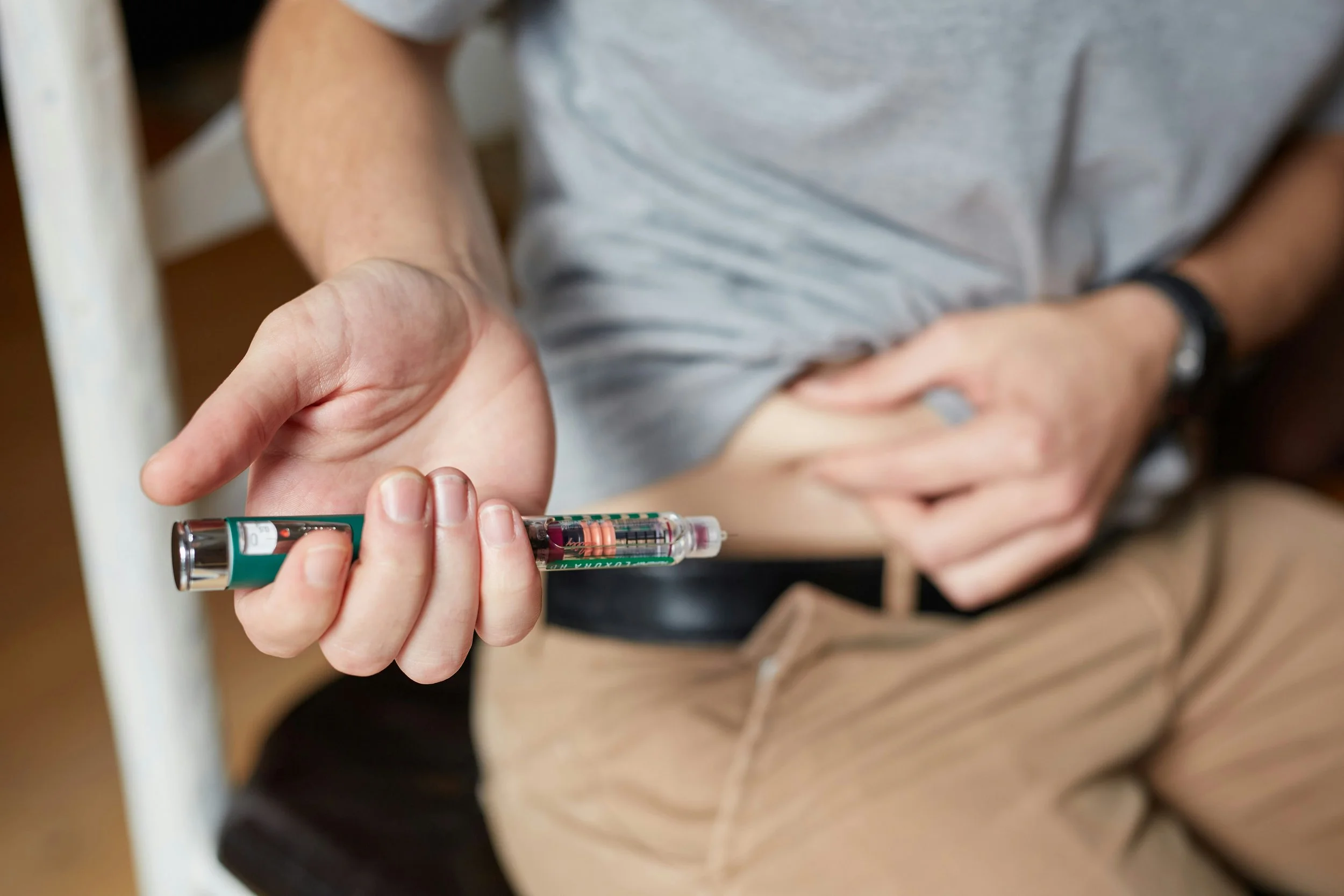
I’ve noticed that searches for things like Ozempic withdrawal symptoms, side effects after stopping Ozempic, and stopping Ozempic weight gain have gone way up lately. This tells me that people are looking for real, honest answers.
When you stop taking Ozempic, your body slowly goes back to working without the appetite-suppressing and blood sugar-regulating effects of the medication. You might notice your hunger increasing, your digestion speeding up, and your weight shifting a bit. This doesn’t mean anything is wrong, it just means your body is adjusting back to its pre-medication state.
Before we begin, I want to be clear: this article isn’t anti-Ozempic, and I’m NOT here to push or discourage GLP-1 medications. I work with clients who use these medications and see great results, and I also have clients who don’t use them and are just as successful with weight loss. GLP-1 medications can be a powerful tool for people who need them, like those with type 2 diabetes or clinical obesity. But it’s just as important to know what to expect after you stop taking them as it is to understand how they work.
Ready to learn what happens when you stop taking Ozempic? Keep reading to find out!
Key Takeaways
Ozempic is typically intended as a long-term treatment for chronic conditions. That means the drug is intended to be lifelong for many people.
There are no true “Ozempic withdrawal symptoms,” but appetite and metabolic shifts are common.
After stopping Ozempic, maintaining your weight loss is possible, but requires an intentional strategy.
Digestive side effects usually improve after stopping.
Having support and accountability, prioritizing strength training, and having a structured approach to nutrition make a huge difference during the transition off the drug.
Is Ozempic Meant to Be Taken Long Term?
Ozempic belongs to a class of medications called GLP-1 receptor agonists. These drugs mimic a naturally occurring hormone called glucagon-like peptide-1 that helps regulate blood sugar, slow gastric emptying, and increase satiety.
For many people, especially those managing type 2 diabetes or obesity, GLP-1 medications are meant to be a long-term treatment, not just a short-term fix. In other words, they’re usually intended to be taken for the long haul.
Think of it like high blood pressure medication. Most people don’t just take it for a few months and then stop once their blood pressure. The medication helps manage an ongoing condition, and if you stop without making other lifestyle changes, the original issue can come back.
The same principle applies here. Ozempic doesn’t permanently change your metabolism. It modifies your hormones while you’re taking it. Once it’s discontinued, your body resumes functioning without that added hormonal support.
That’s why stopping suddenly, without a plan in place, can feel tough.
Why Do People Stop Taking Ozempic?
There are plenty of valid reasons why someone might decide to stop taking Ozempic. It’s usually a thoughtful decision, not something done on a whim.

Common reasons include:
Side effects that become difficult to tolerate
Changes in insurance coverage or the cost of medication
Supply shortages
Pregnancy or life transitions
Reaching a personal health goal
A desire to continue weight management without medication
None of these reasons means you’re making a mistake, or that you’re a “failure.” The most important thing is knowing what to expect and having a plan for what comes next.
Side Effects After Stopping Ozempic
If you’re searching for side effects after stopping Ozempic, you might be worried about big, dramatic changes. The truth is, what happens is usually much more predictable and manageable.
🤤 Appetite and Hunger Signals May Return
One of the most noticeable changes is increased appetite.
While on Ozempic, many individuals report:
Feeling full quickly
Reduced cravings
Forgetting to eat
Lower overall food intake
Slight nausea, especially after the injection
Once you stop the medication, your hunger cues usually go back to normal. Meals might not feel as filling, and you may notice you get hungry sooner than you’re used to.
This isn’t a sign that you’re doing anything wrong or losing control. It’s just your body working without the appetite-suppressing effects of the medication.
📈 Weight Regain Is Possible
Let’s talk about the biggest question I hear: yes, it is possible to regain weight after stopping Ozempic.
Studies suggest that most individuals regain a portion of the weight lost while on GLP-1 medications. This is typically due to increased calorie intake as appetite returns… Not because the medication “damaged” metabolism.
But regaining weight isn’t guaranteed.
The degree of weight change depends heavily on:
Muscle preservation
Strength training
Protein intake
Sleep quality
Stress management
Behavioral strategies developed during treatment
If you’ve been focusing on building healthy habits while taking the medication, the transition off can feel a lot smoother.
🌀 Digestive Side Effects Typically Subside
Nausea, bloating, slowed digestion, and constipation are common side effects while taking Ozempic. The good news is, many people notice these symptoms get better after they stop the medication.
Your digestion goes back to its natural pace. This can feel like a relief, but it might also mean you get hungry sooner between meals.
Again, this isn’t a “bad” thing. It’s just your body adjusting.
🩸 Blood Sugar Levels May Change
For individuals using Ozempic to manage type 2 diabetes, blood sugar levels may rise after discontinuation. Anyone with diabetes (and in fact, everyone in general) should consult their healthcare provider before stopping any medication, including ozempic.
For general information about diabetes management, reputable resources like the CDC provide helpful overviews.
Is There Such a Thing as “Ozempic Withdrawal”?

This is a common question.
Technically, Ozempic does not cause withdrawal in the traditional sense. It is not addictive and does not create dependency.
What people refer to as “Ozempic withdrawal symptoms” are typically the return of:
Hunger
Cravings
Increased calorie intake
Weight fluctuations
These changes happen simply because the medication’s effects are gone, not because your body is actually withdrawing from it.
Knowing this can help take away some of the fear or guilt you might feel.
Why Hunger May Feel Intense After Stopping
After stopping Ozempic, many people say, “I didn’t feel this hungry before I started Ozempic.”
And that reaction makes sense.
Here’s something to keep in mind: while you were on the medication, your hunger was dialed way down. Appetite, cravings, and portion sizes often felt much easier to manage. So, when those signals come back, they can feel extra strong just by comparison.
It’s important to remember: your body isn’t broken, it’s just finding its new normal without the effects of the drug. Adjusting is a phase that is about relearning how to work with your body again, and that includes:
Recognising true hunger versus emotional or habitual eating
Building meals that keep you satisfied and energised
Responding to hunger without fear or guilt
Gradually rebuilding trust in your body’s signals
It takes some practice to relearn how to listen and respond to your natural hunger cues. But with the right guidance and support, this period can become an opportunity to build a healthier, more sustainable relationship with food.
Is Stopping Ozempic a Problem?
For most people, stopping Ozempic is not inherently problematic. Your body will need to adapt, and this adaptation period may take some time.
Challenges may arise when certain factors are not addressed while on the medication:
Muscle mass was lost during weight loss
Restrictive dieting patterns developed
Emotional eating or lifestyle changes were never addressed while taking the medication
No structured maintenance plan was in place
If the medication was doing most of the work in keeping your appetite down, the transition off can feel pretty sudden.
How to Reduce Weight Gain After Stopping Ozempic
If you’re worried about gaining weight after stopping Ozempic, remember: the answer is having a plan, not just cutting back or severely restricting your food intake. Here are some tips to help make the transition off Ozempic easier:
🏋🏻♀️ Prioritize Strength Training and Muscle Preservation
Muscle is your friend when it comes to the speed of your metabolism. This is because muscle cells burn more calories than fat cells. During a weight loss phase, it’s common to lose some muscle, especially if you’re not doing strength training.
Aim for 2 - 4 strength training sessions each week, focusing on your major muscle groups. Maintaining your lean muscle mass helps support your metabolism and makes it easier to maintain your weight long-term.
🍗 Prioritize Protein and Balanced Meals
Protein helps you feel fuller after eating and preserves muscle. Balanced meals including protein, fiber, fruits, vegetables, and healthy fats help regulate appetite naturally.
Instead of cutting calories to the extreme, focus on building more structure (and protein) into your meals and snacks.
😴 Manage Sleep and Stress
Not getting enough sleep can affect your hunger and fullness hormones (ghrelin and leptin), which makes you feel hungrier more often. Ongoing stress can increase cravings and make it harder to manage your weight.
That’s why making sleep and stress management a priority is so important during this transition.
🚶🏻♀️Maintain Consistent Movement
Moving your body every day helps with blood sugar and appetite. Walking, stretching, cleaning, and just moving throughout the day all make a difference.
Remember, when it comes to movement (and eating), being consistent is more important than going all-out.
🤔 Build Awareness Around Hunger and Fullness
Learning to tell the difference between true physical hunger and emotional eating is key once you’re no longer relying on medication.
Try slowing down at meals, checking in with your hunger before and after eating, and practicing mindful eating.
One of my favorite questions to ask myself to help understand if I’m truly hungry is to ask:
“Am I hungry enough to eat an apple or broccoli right now?”

If the answer is “yes,” it’s usually hunger.
However, if I am not hungry enough for either of these foods and only want to eat salty or sweet foods,
chances are it’s emotional eating.
These habits can help you reconnect with your body’s natural signals.
The Emotional Side of Stopping Ozempic
There’s also an emotional side to stopping Ozempic that’s important to talk about, and one that many people don’t expect until they experience it

For some people, the transition can bring up fear around:
Losing control around food again
Regaining the weight they had worked hard to lose
Being judged by others or feeling like they’ve failed
Undoing the progress they’ve made
These feelings are more common than people realize. When a medication has helped create momentum, stepping away from it can feel uncertain or even vulnerable.
One thing I want to stress is that using medication was not cheating, and stopping it (or staying on it long-term) doesn’t erase the progress you’ve made.
This transition is a time to show yourself compassion, not to be hard on yourself.
The Role of Support When Transitioning Off Ozempic
Stopping medication can feel lonely, which is why having support and structure in place is so important. That’s why having real support and a clear structure in place makes such a difference.
Through my GLP-1 support coaching program, we focus on skills that help your results last, including:
Appetite normalization: Normalising your appetite and rebuilding trust with food.
Strength preservation: Preserving strength and muscle as your body adjusts
Emotional regulation: Managing emotional triggers and stress eating.
Habit reinforcement: Reinforcing habits that support long-term weight stability.
Confidence rebuilding: Rebuilding confidence in your ability to maintain results.
My coaching program isn’t about swapping medication for strict rules. It’s about helping you build skills that last and giving you the tools with human support to sustain your progress long after GLP-1s.
Final Thoughts
If you’ve been wondering what really happens when you stop taking Ozempic, here’s what you need to know:
Your body will adjust. Hunger will come back. Your weight might go up or down, and that’s okay. This doesn’t mean that stopping Ozempic is a failure. Long-term health is built through:
Strength
Balanced Nutrition
Sleep
Stress management
Support
Self-compassion
If you’re preparing to transition off Ozempic, or already have, and are looking for a structured plan to help prevent gaining weight that you’ve lost, apply to become a client. You deserve a plan that helps you feel confident, not fearful.
