
Home » Who We Help » GLP-1 Health Coaching
GLP-1 Health Coaching & Ozempic Nutrition Support
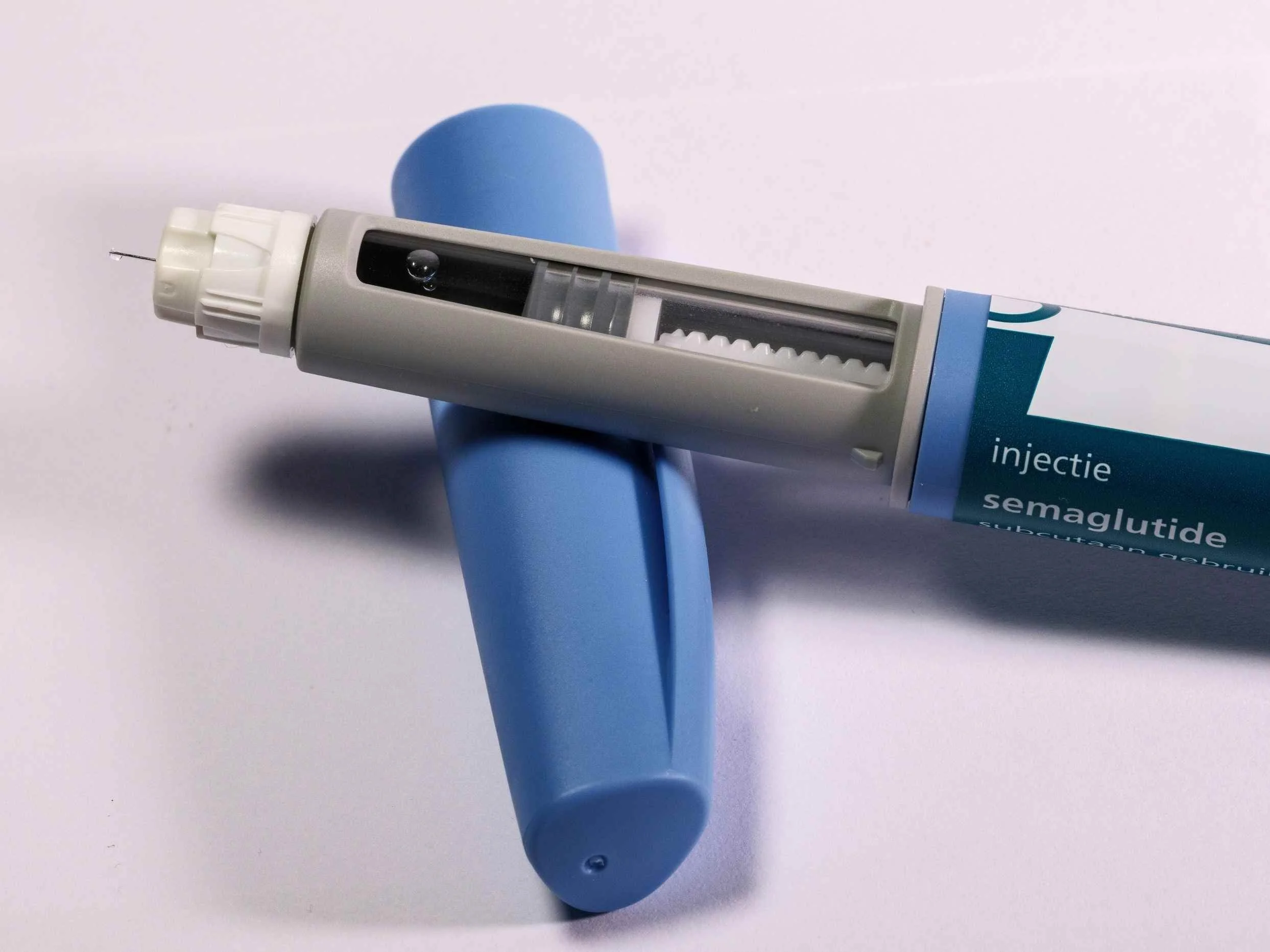
Ozempic, Wegovy, and Zepbound can change how you eat, but medication is only one piece of the puzzle. GLP-1 nutrition coaching provides personalized guidance to help you meet your nutritional needs, manage side effects, and build sustainable habits that last beyond medication. You can also read more about the long-term side effects of Ozempic.

Why Medication Alone Isn't the Full Plan
GLP-1 medications can be an effective tool for weight loss, but they work best when paired with real, personalized nutrition guidance. My approach isn’t about handing you a rigid meal plan or a list of foods to avoid. Instead, I help you build realistic habits around nutrition, movement, and mindset so your progress continues long after the prescription ends.
Here's the part that often gets missed: GLP-1 medications can reduce appetite and support weight loss, but they don't teach you the skills to maintain it. That's the gap a GLP-1 coach fills. When you're eating significantly less, the quality of what you eat matters more than ever. Without guidance, it's easy to under-eat protein, miss key nutrients, lose muscle mass, and feel fatigued, even while the scale is moving in the right direction.
Coaching also helps you navigate the emotional side of it all. Changes in your "Ozempic" appetite, your relationship with food, and your social eating patterns are things I help you work through with honesty and zero judgment. This is weight loss coaching built around you, not a textbook.
Through my programs, you will:
Develop balanced nutrition strategies that keep you satisfied and energized
Learn practical tools to manage cravings, stress eating, and emotional triggers
Establish movement routines that fit your schedule and goals
Strengthen mindset and accountability so healthy habits become second nature
Please note that at Strong with Sarah, we do not provide prescriptions for GLP-1 drugs. I highly recommend speaking with your doctor or trusted medical team to discuss whether you are a candidate for using a GLP-1 drug for weight loss.
Make Your Results Last Beyond GLP-1 Medication
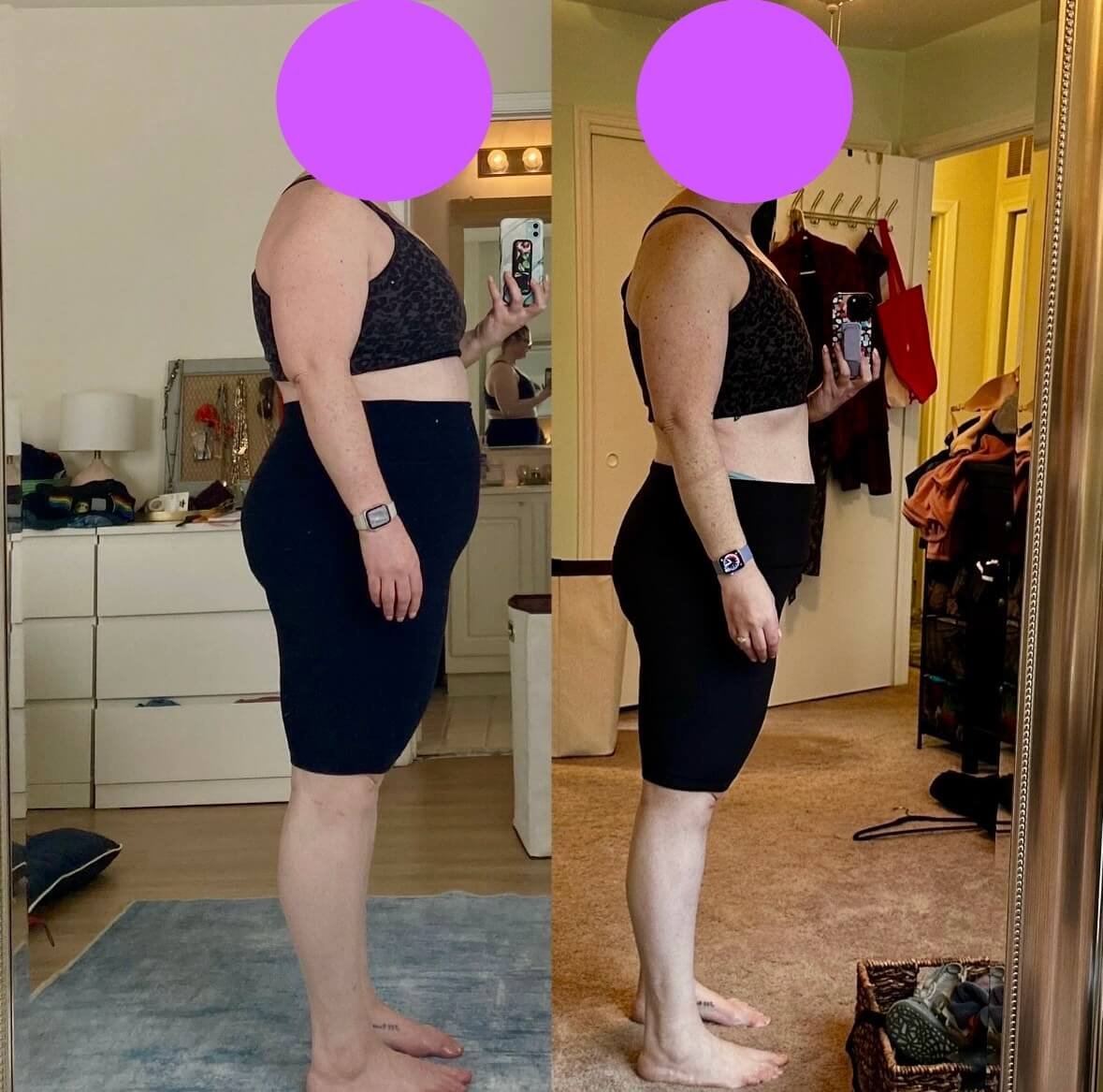
Research shows that people who pair medication with structured GLP-1 health coaching achieve better long-term outcomes than those relying on medication alone. Studies also suggest that many people regain weight after stopping treatment without pre-established healthy lifestyle habits, and Cleveland Clinic research points to the same pattern: GLP-1 coaching leads to more sustainable results, even after the medication ends.
For a fuller breakdown, see what happens when you stop taking Ozempic.
So the goal isn't just to lose weight while you're on medication. It's to build the eating habits, confidence, and routines that carry you forward long after the prescription does.
What Makes My Program Different?
There's no shortage of nutrition advice online, especially around GLP-1 medications. What's harder to find is support that actually meets you where you are: with your schedule, your history with food, your emotional relationship with eating, and your real goals. That's what Strong with Sarah is built around.
My program is rooted in four core beliefs:
Compassionate accountability

Through the GLP-1 health coaching program, I will hold you accountable to your goals with encouragement, not shame.
Realistic, personalized nutrition

Nutrition isn't about rigid rules or generic meal plans. Everything is customized to your body, your routine, and your goals.
Fitness as a tool for strength
My coaching uses movement to build strength, protect muscle, and boost confidence throughout your GLP-1 journey.
Habits you can actually maintain

Sustainability is always the goal. GLP-1 medication is a tool, but the lasting results come from the habits you build.
Experiences of Our Clients on GLP-1s

What to Eat on a GLP-1 Medication
One of the most common questions I hear from GLP-1 users is simple: What am I supposed to eat when I'm barely hungry? “Ozempic” appetite is a real thing, and when you're only eating a fraction of what you used to, every bite counts.
🥩 Prioritize protein first. Protein is the first thing to fall through the cracks, and it matters because losing muscle alongside fat is one of the most common downsides of GLP-1-supported weight loss. Think eggs, Greek yogurt, cottage cheese, chicken, fish, legumes; not complicated, just intentional.
🍜 Smaller, more frequent meals often work better. If three full meals feel like too much, two balanced meals and a nourishing snack may be a better fit. The goal is to make sure your body gets the nutrients it needs.
🍛 Simple food pairing beats rigid meal plans. Try thinking in combinations: protein + fiber + fluids. A boiled egg, a big glass of water, and Greek yogurt with berries and a drizzle of nut butter is one simple example.
This is just a preview of the kind of guidance I offer. Personalized nutrition while on Ozempic looks different for every person, which is exactly why coaching exists.
What Is "Food Noise," and What Happens When It Goes Quiet?
Food noise is that constant mental background chatter about food, the loop of what am I going to eat next, do I want a snack, I shouldn't have eaten that, but I really want something sweet.
For many people, it's been there so long that it just feels normal. Then a GLP-1 quiets it, sometimes almost overnight, and the silence can feel both like a relief and a little disorienting.
Here's what I want you to know: quieting food noise breaks the loop. Some clients report forgetting to eat, while others may feel disconnected from the food they used to love. It's a completely understandable response to a significant physiological shift.
This is exactly where mindset and habit coaching matter most. Learning to eat intentionally is a skill. And it's one I help you build in a way that feels grounded, not clinical.

Are You Ready to Maximize Your GLP-1 Results?
GLP-1s are costly. Partnering with a coach helps you get the most out of your investment by building habits that make your results last well beyond the medication.
GLP-1 Nutrition Coaching FAQs
-
To avoid muscle loss, you should prioritize protein at every meal. Because appetite is suppressed, it's easy to unintentionally under-eat protein even when total calories are reasonable.
-
Yes, appetite suppression is one of the primary ways GLP-1 medications work. They slow gastric emptying and influence hunger hormones in a way that can dramatically reduce how often and how intensely you feel hungry. This is expected, but it does mean eating becomes more intentional rather than instinctive, which is something coaching can help you navigate.
-
Food noise is the constant mental chatter about food: the cravings, the preoccupation, the loop of thinking about what to eat next. GLP-1 medications often quiet this significantly, and for many people, that feels like genuine relief.
Whether it goes away completely varies from person to person, and some people find that as their dose adjusts or as they progress, some level of food noise returns. The goal in coaching is to help you build a healthy, intentional relationship with food, regardless of how loud or quiet that background chatter is.
-
Absolutely, GLP-1s can suppress thirst cues alongside appetite. Most people benefit from being more deliberate about fluid intake than they were before starting the medication. Spacing water throughout the day, pairing fiber-rich foods with adequate fluids, and considering electrolytes when needed are all practical strategies Sarah covers in coaching.
-
Your prescribing physician monitors the safety and clinical progress of your medication; that's essential care. What they typically don't have time for is helping you figure out what to actually eat, how to structure your meals around a changing appetite, how to troubleshoot low-energy days, or how to build the habits that will carry you forward after the prescription ends. Coaching and medical care work best together, not in place of each other.