
Iron-Rich Foods for Women: How to Meet Your Needs
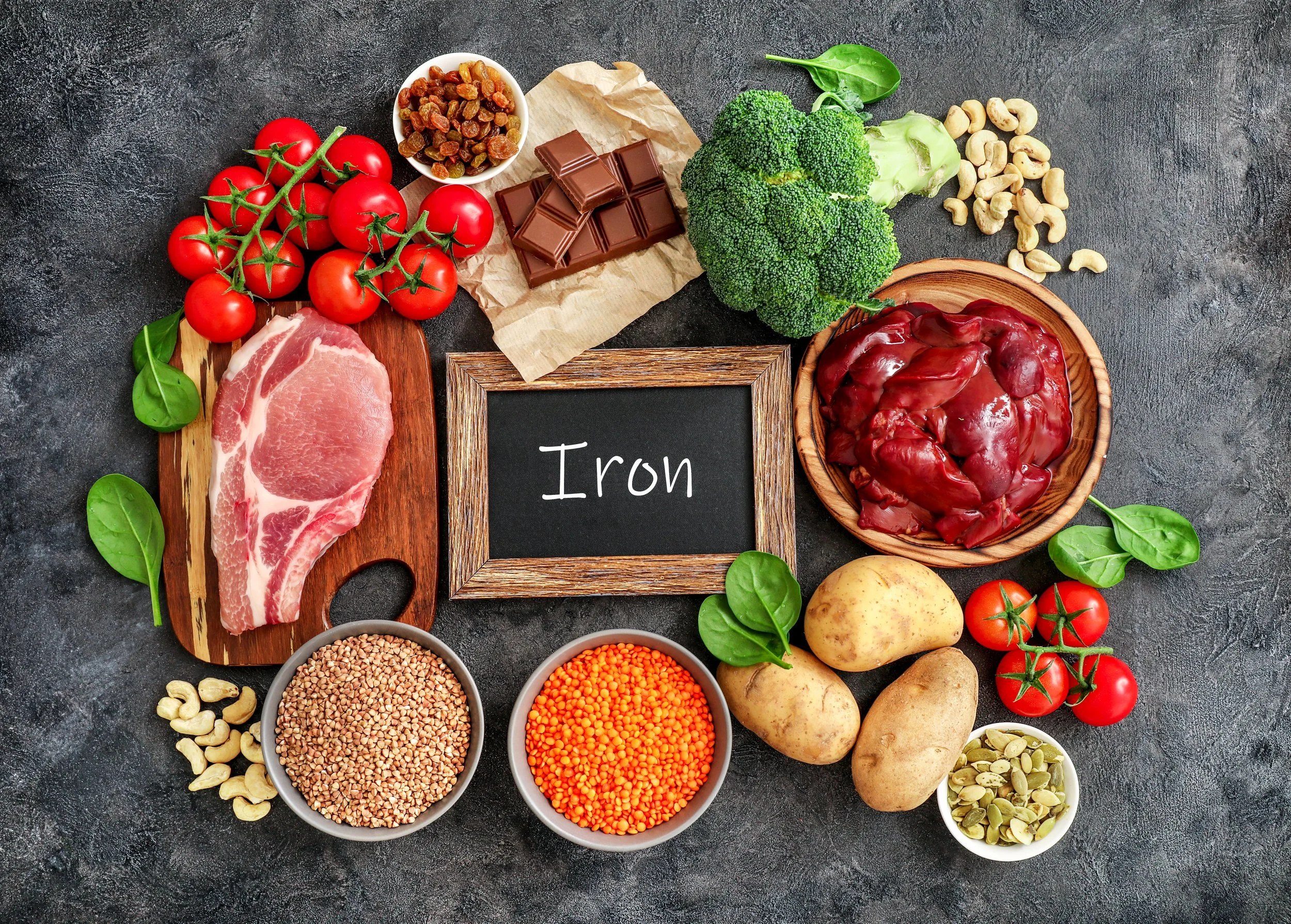
If you're constantly exhausted, struggling to push through workouts, or feeling foggy no matter how much sleep you get, low iron could be the culprit.
Iron deficiency is one of the most common nutritional shortfalls in women, affecting millions across all age groups. The good news? Your diet is one of the most powerful tools you have to fix it.
In this guide, I'm breaking down everything you need to know about iron-rich foods for women, including what to eat, how much you need, and how to make sure your body actually absorbs it.
Quick Facts
Women need significantly more iron than men due to menstrual blood loss.
There are two types of dietary iron: heme (animal-based) and non-heme (plant-based).
Pairing iron-rich foods with vitamin C dramatically improves absorption.
Common symptoms of low iron include fatigue, brain fog, and shortness of breath.
Both animal and plant foods can meaningfully contribute to your daily iron intake.
Why Iron Is Essential for Women
Iron isn't just a mineral, but it’s the backbone of your energy system. Your body uses iron to produce hemoglobin, the protein in red blood cells that carries oxygen from your lungs to every muscle, organ, and tissue. Without enough iron, your cells are literally running low on oxygen. That's why low iron feels the way it does: heavy, slow, and exhausted.
Women need more iron than men, primarily because of menstruation. Every cycle, you lose blood, and with it, iron. On top of that, pregnancy dramatically increases iron demands, making proper nutrition for pregnancy essential to support fetal development and increased blood volume.
Intense exercise, a vegetarian or vegan diet, and certain gastrointestinal conditions can also deplete your iron stores faster than you realize.
Here are some of the most common symptoms of low iron to look out for:
Persistent fatigue and low energy
Pale skin or pale inner eyelids
Shortness of breath during normal activity
Brain fog and difficulty concentrating
Brittle nails or hair loss
Frequent headaches
Feeling cold all the time
Do any of the above sound familiar? If yes, I highly recommend getting your ferritin and hemoglobin levels tested by your doctor.
How Much Iron Do Women Actually Need?
The Recommended Dietary Allowance (RDA) varies based on age, gender, and life stage:
| Life Stage | Recommended Daily Iron Intake |
|---|---|
| Women (19–50) | 18 mg/day |
| Pregnant women | 27 mg/day |
| Women (51+) / Post-menopause | 8 mg/day |
In comparison, men aged 19-50 require 8mg of iron daily. However, women require a higher daily iron intake due to blood loss during menstruation and the rapid growth of the fetus, which also requires increased blood circulation during pregnancy.
Types of Iron: Heme vs. Non-Heme Iron
The way iron is absorbed depends on the type of iron consumed, and there are two main forms: heme and non-heme.
| Iron Type | Absorption Rate | Food Sources |
|---|---|---|
| Heme iron | 15%-35% | meat, poultry, and seafood |
| Non-heme iron | 2%-20% | spinach, lentils, and fortified cereals |
Why Iron Absorption Matters
Eating iron-rich food is only half the equation, and proper nutrition also plays a key role in helping your body absorb and use iron effectively.
Absorption is affected by the type of iron you consume, the other foods you pair it with, your current iron stores (the more depleted you are, the more you absorb), and certain health conditions affecting your gut.
As you can see from the table above, heme iron comes from animal sources, which is similar to the iron already in your blood, helping with better absorption. In comparison, non-heme iron that comes from plant-based foods has lower absorption rates and is more influenced by what else you eat at the same meal.
Best Foods That Are Rich in Iron

Let's get into the good stuff. Here's a practical breakdown of the best iron-rich foods for women, split by source.
Animal-Based Iron Sources
Because heme iron is so efficiently absorbed, animal-based sources are some of the most effective foods for raising iron levels, especially if you're already running low.
| Food | Serving Size | Iron (mg) |
|---|---|---|
| Beef liver | 3 oz | ~5 mg |
| Oysters | 3 oz (6 medium) | ~8 mg |
| Beef (ground, 85% lean) | 3 oz | ~2.2 mg |
| Chicken (dark meat) | 3 oz | ~1.1 mg |
| Canned sardines | 3 oz | ~2.5 mg |
| Turkey (dark meat) | 3 oz | ~1.4 mg |
| Canned tuna | 3 oz | ~1.3 mg |
Organ meats like liver are in a category of their own because they are among the most nutrient-dense foods on the planet, and liver in particular is one of the highest natural sources of iron available. If you can stomach it (or hide it in ground meat dishes), it's worth including once or twice a week.
Oysters and other shellfish are also exceptional and often underused. They're low in calories, high in protein, and pack a serious iron punch.
Plant-Based Iron-Rich Foods for Women
Vegetarians and vegans will be happy to learn that it is absolutely possible to get meaningful iron intake from plants. While the absorption rate is lower than heme iron, volume and smart pairing strategies make plant-based iron a reliable part of any woman's diet.
| Food | Serving Size | Iron (mg) |
|---|---|---|
| Cooked lentils | 1 cup | ~6.6 mg |
| Cooked spinach | 1 cup | ~6.4 mg |
| Tofu (firm) | ½ cup | ~3.4 mg |
| Cooked kidney beans | 1 cup | ~5.2 mg |
| Pumpkin seeds | 1 oz | ~2.5 mg |
| Cooked chickpeas | 1 cup | ~4.7 mg |
| Edamame | 1 cup | ~3.5 mg |
| Fortified breakfast cereal | 1 serving | ~18 mg (varies by brand) |
| Cooked quinoa | 1 cup | ~2.8 mg |
Iron-Rich Fruits and Snacks for Energy
Not every iron source has to be a sit-down meal. There are lots of convenient, snackable options that can give you a quick iron boost throughout the day:
Dried apricots (~1.7 mg per ¼ cup) — easy to toss in a gym bag
Dark chocolate (70%+) (~3.4 mg per oz) — delicious and healthy, but be sure to practice portion control!
Pumpkin seeds (~2.5 mg per oz) — great on salads or as a standalone snack
Mulberries (~2.6 mg per cup) - rich in iron, vitamin C, and other plant compounds
Prune juice (~3 mg per cup) - full of fiber, vitamins, iron, and antioxidants
These aren't going to replace a full iron-rich meal, but they're smart additions to a busy day when you need to keep your intake consistent.
Best Foods for Anemia (What to Eat If Your Iron Is Low)
If your iron levels are low, you should prioritize the most iron-dense foods at every meal and be strategic about absorption.
Some of the best foods that can help to improve anemia are:
Legumes: lentils, black beans, chickpeas, kidney beans
Leafy greens: spinach, Swiss chard, kale (cooked for maximum absorption)
Seeds and nuts: pumpkin seeds, hemp seeds, cashews, almonds
Animal proteins: red meat, liver, dark poultry, oysters
Fortified foods: certain cereals, oat milk, plant-based meat alternatives
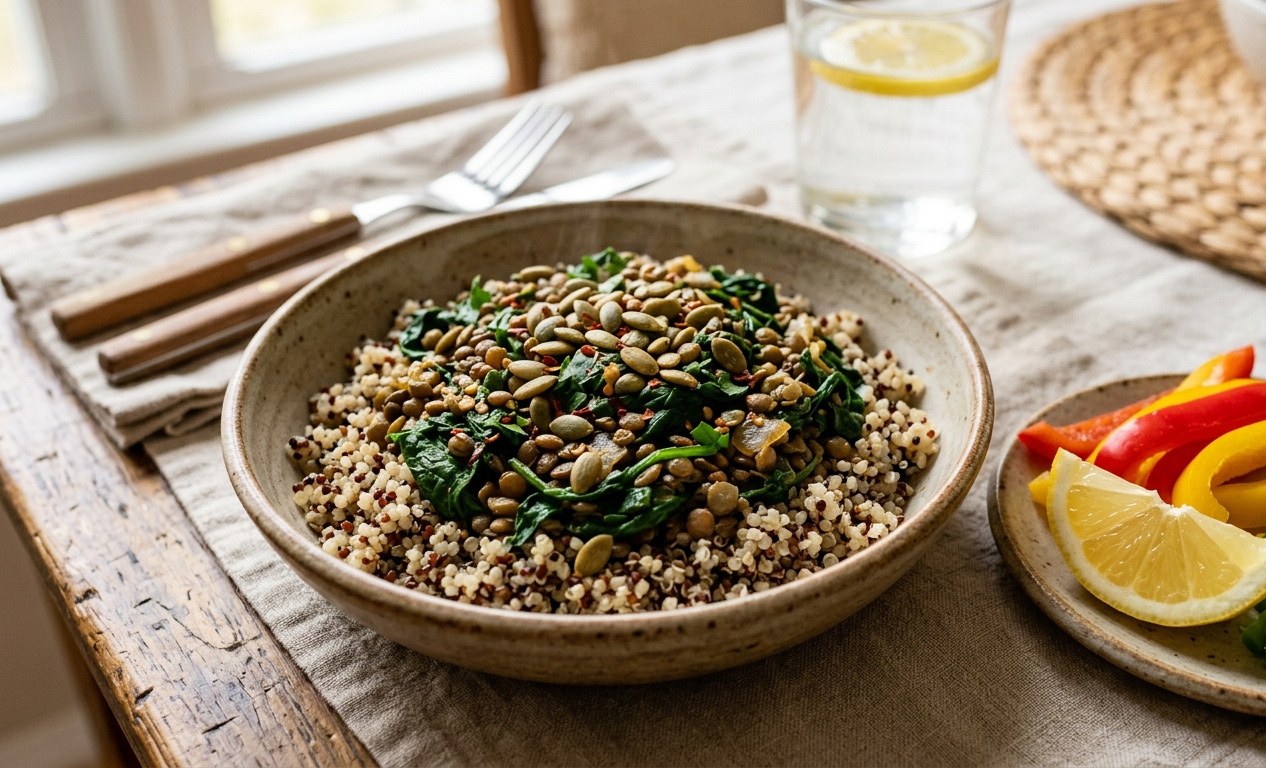
A simple iron-boosting plate might look like this: Sautéed spinach and lentils over quinoa, topped with pumpkin seeds, served with sliced bell peppers and a squeeze of lemon on the side. That single meal covers both heme and non-heme iron, plus vitamin C to boost absorption, all in one bowl.
How to Absorb More Iron From Food
Eating iron-rich foods for women is important, but getting your body to actually absorb that iron is the real game-changer.
Pair Iron With Vitamin C
Vitamin C converts non-heme iron into a form your body can absorb much more readily. Good vitamin C sources to pair with iron-rich meals include:
Citrus fruits (oranges, grapefruit, lemons)
Bell peppers (red bell peppers are especially high)
Strawberries
Broccoli
Tomatoes
Kiwi
Other Factors That Help Iron Absorption
| Booster | How It Helps |
|---|---|
| Meat, fish, or poultry | The "meat factor" — even small amounts enhance non-heme iron absorption |
| Cooking in cast iron | Can increase iron content of cooked foods |
| Soaking/sprouting legumes | Reduces phytic acid, improving absorption |
| Fermented foods | May improve gut conditions for iron uptake |
What to Avoid Around Iron-Rich Meals
Not everything you eat promotes iron absorption; some meals and drinks can actually block or significantly reduce the way your body absorbs and processes iron:
Coffee and tea (tannins bind to iron): Try to have these 1–2 hours away from iron-rich meals.
Calcium-rich foods (milk, cheese): Calcium competes with iron for absorption.
Whole grains and legumes (phytic acid): Soaking helps reduce this.
Antacids: Reduce stomach acid needed to absorb iron.
Red wine: Tannins have a similar effect to tea and coffee.
This doesn't mean you need to cut these out; just be mindful of timing and slightly adjust your healthy habits to consume enough iron.
Final Thoughts
Iron is one of those nutrients that quietly affect everything in the background, from your energy, mental clarity, and gym performance to your overall vitality. For women especially, the demands are real, and the gap between what we eat and what we need is often wider than we think.
Small, consistent changes to your daily eating habits can make a big difference in how you feel and how you perform. And if you're ready to build a nutrition and fitness plan that's built specifically for you and your goals, I'd love to help.
👉 Check out the Strong With Sarah Weight Loss Program for Women, designed to help you feel strong, energized, and confident in your body.
FAQs
-
The most effective way is to eat a consistent mix of iron-rich foods and pair them with vitamin C (like citrus fruits) to enhance absorption. Make sure to avoid iron blockers like coffee and tea around mealtimes. If your levels are significantly low, your doctor may recommend supplementation alongside dietary changes.
-
The fastest-acting dietary sources are heme iron foods: beef, liver, oysters, and dark poultry. For plant-based options, cooked lentils, spinach, and fortified cereals are strong choices. Always pair with vitamin C for maximum impact.
-
Yes, but with intention. Plant-based iron is less readily absorbed, but eating larger amounts, pairing with vitamin C, soaking legumes, and cooking greens can all meaningfully improve absorption. Vegetarians and vegans should monitor their levels regularly.
-
The best iron sources for energy are red meat, liver, oysters, lentils, and fortified cereals. For quick energy-supporting snacks, dried apricots, dark chocolate, and pumpkin seeds are smart choices that are easy to include on busy days.
-
Oysters and beef liver are among the highest in iron per serving. Among plant foods, cooked lentils, spinach, kidney beans, and tofu are excellent sources. Fortified cereals can also deliver a significant dose in a single serving.
