
Foods High in Protein: A Simple Protein Cheat Sheet
Protein is a key nutrient for your health (and goals), but it’s not always easy to get enough. Whether you want to lose fat, build muscle, stay strong as you get older, recover from workouts, or simply feel more full, adding more protein-rich foods to your meals can really help you achieve all of these goals. Protein helps your body repair muscles, supports your metabolism and immune system, and keeps you satisfied between meals. This can lead to fewer cravings and less thinking about food all day.
The good news is that there are plenty of protein-rich foods to choose from, whether you eat meat, dairy, seafood, or prefer plant-based options. In this cheat sheet, I’ll show you which foods are high in protein, how much protein they have, and how to build balanced meals with both animal and plant-based choices. I’ll organize everything by category so you can quickly find what works best for you.
Quick Facts
Protein helps support muscle repair, metabolism, recovery, and fullness.
Both animal and plant foods can be excellent protein sources.
Most people benefit from eating protein consistently throughout the day.
Lean meats, seafood, dairy, legumes, and soy foods are among the highest protein foods.
Pairing protein with fiber-rich carbs and healthy fats can help improve feelings of fullness (also called satiety).
What Makes a Food High in Protein?
Let’s dive into the first question that I often get as a weight loss coach: What actually makes a food high in protein? In general, it’s a food that gives you a good amount of protein for the calories it contains. Many experts call a food 'high protein' if at least 20% of its calories come from protein, or if it packs a solid amount of protein per serving.
Protein is made up of amino acids, often called the building blocks of your body. Our bodies can produce 11 of the 20 amino acids on their own, but we must get the other nine amino acids from the foods we eat.
Animal proteins like chicken, eggs, fish, and dairy are complete proteins because they contain all nine essential amino acids your body needs. Some plant-based proteins are missing one or two, but if you eat a variety of vegetarian protein sources throughout the day, you’ll still get everything your body needs. Animal proteins are usually absorbed more easily than some plant proteins because plants have fiber and other natural compounds. Still, plant proteins offer great benefits like fiber, antioxidants, and nutrients that are good for your heart.
Now… The ULTIMATE question: How much protein do you actually need? It depends on your age, activity level, goals, and overall health. The official recommendation is 0.8 grams per kilogram of body weight, but if you’re active or working on building muscle, you’ll likely feel and perform better with 1.2 to 2.0 grams per kilogram each day.
Interested in learning more about how I help my clients track calories (and other macros)?
What Foods Are High in Protein: Quick Protein Cheat Sheet
| Food | Category | Protein Per Serving | Why It’s a Good Choice |
|---|---|---|---|
| Chicken breast | Meat | 26g per 3 oz | Lean, versatile, high satiety |
| Tuna | Seafood | 20g per 3 oz | High protein and low calorie |
| Greek yogurt | Dairy | 15–20g per serving | Convenient and filling |
| Eggs | Dairy/Eggs | 6g per egg | Affordable complete protein |
| Lentils | Plant-based | 18g per cooked cup | High protein and fiber |
| Cottage cheese | Dairy | 25g per cup | Slow-digesting protein |
| Tofu | Soy | 10g per 1/2 cup | Vegetarian protein source |
| Salmon | Seafood | 22g per 3 oz | Rich in omega-3 fats |
| Edamame | Plant-based | 17g per cup | Complete plant protein |
| Lean beef | Meat | 22g per 3 oz | Iron and protein-rich |
Meat & Seafood: The Highest Protein Foods
When people think about high-protein foods, meat and seafood are often the first choices, and for good reason. As I mentioned, animal proteins are complete (containing all 9 essential amino acids that our bodies cannot make), and they usually provide a lot of protein per serving.
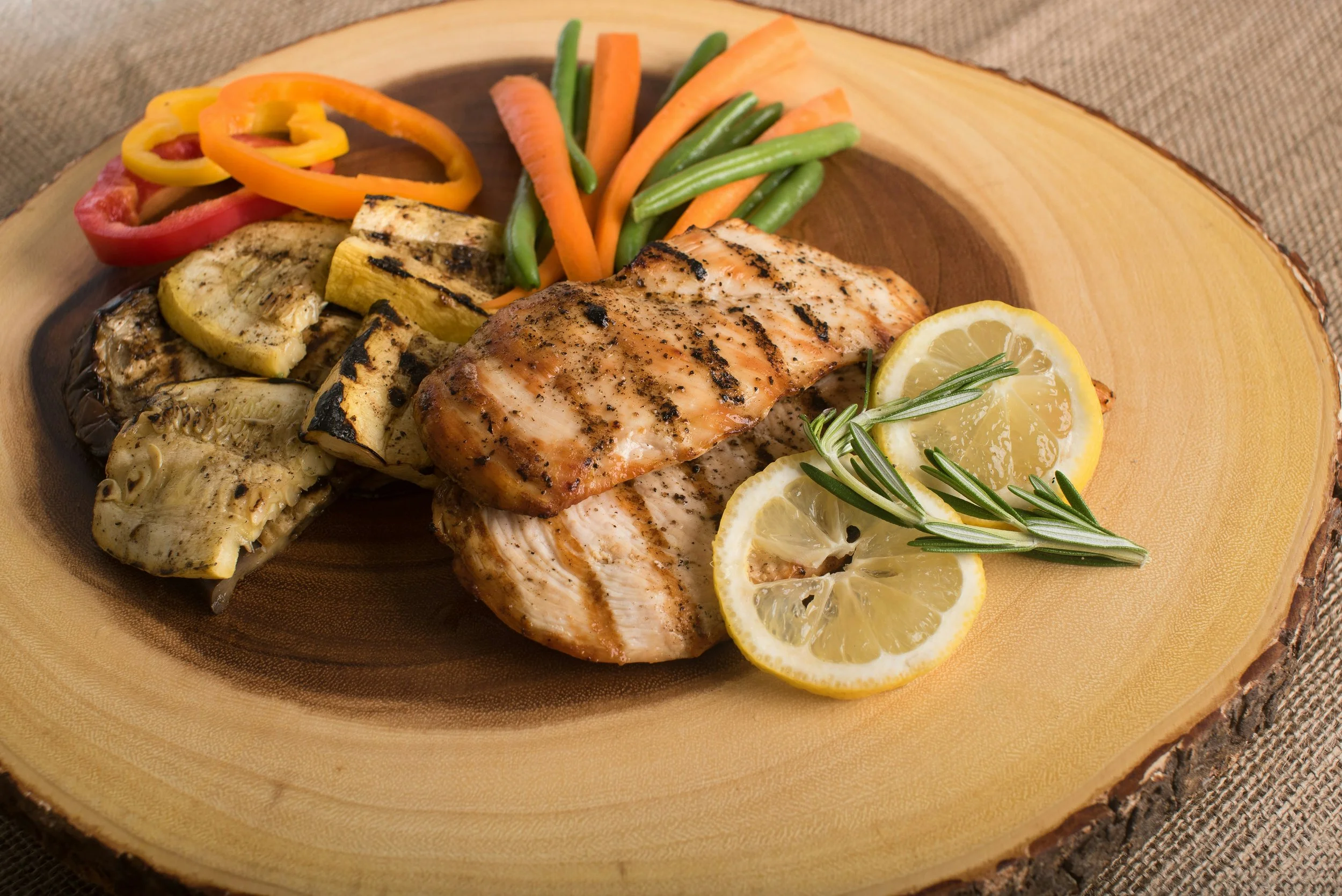
They’re an efficient way to support muscle recovery, help you feel full, and improve your overall health. Chicken breast is a popular option because it’s lean, affordable, and easy to cook in many ways. Three ounces have about 26 grams of protein with few calories. Turkey is another solid choice, especially lean ground turkey or turkey breast, which is high in protein and usually has less saturated fat than some beef options.
Lean beef is another solid protein source and also gives you important nutrients like iron, zinc, and vitamin B12. If you want to keep calories and saturated fat in check, try to choose leaner cuts like sirloin or top round. You’ll still get over 20 grams of protein per serving. Pork tenderloin is a solid option, as it is one of the leanest pork options and has about 22 grams of protein per serving. Bison is also gaining popularity for being lower in fat than regular beef, but still high in protein and iron.
High-Protein Seafood Options
Seafood is a fantastic way to get lean protein, plus you’ll get healthy omega-3 fats that support your heart and brain health. Tuna is one of the most popular choices, with about 20 to 25 grams of protein per serving. Canned tuna is especially handy for quick, budget-friendly lunches or snacks when you need something easy.
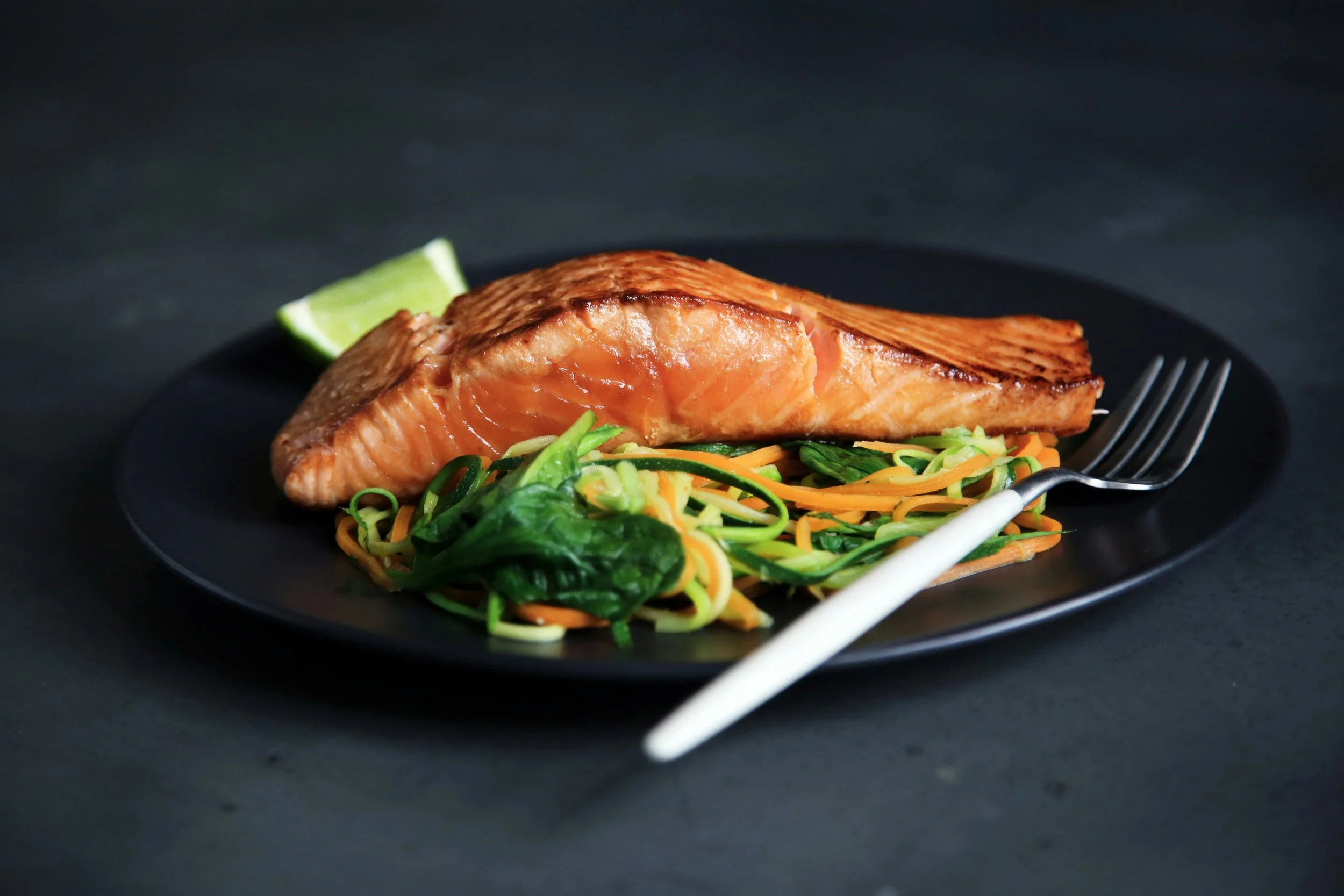
Salmon has more fat than white fish, but most of it is the healthy kind called omega-3s, which are great for your heart and recovery. Shrimp is another high-protein, low-calorie choice if you want something lean. Cod is a mild white fish that’s good if you like a lighter taste, and sardines are packed with protein, calcium, and omega-3s in a small serving.
Quick Meat Protein Cheat Sheet Table
| Food | Protein Per 3 oz Serving |
|---|---|
| Chicken breast | 26g |
| Turkey breast | 25g |
| Lean beef | 22g |
| Pork tenderloin | 22g |
| Bison | 24g |
| Tuna | 22g |
| Salmon | 22g |
| Shrimp | 20g |
| Cod | 19g |
| Sardines | 21g |
Looking for more easy meal ideas that contain at least 30 grams of protein?
Check out my blog post on meals with 30g of protein!
Dairy & Eggs: Easy Everyday Protein Sources
Dairy and eggs are some of the easiest ways to add more protein to your day. They don’t need much prep and work great for breakfast, snacks, or quick lunches. Plus, you’ll get extra nutrients like calcium, vitamin D, and healthy fats depending on what you choose.
High-Protein Dairy Foods
Greek yogurt is a favorite for a reason! It contains much more protein than regular yogurt. Most single-serve cups give you 15 to 20 grams of protein, plus calcium and probiotics for gut health. Cottage cheese is another great option, especially if you want to feel full longer. One cup contains roughly 25 grams of protein, making it one of the top dairy choices for protein.
Parmesan cheese is higher in protein than you might expect, with over 30 grams per 100 grams. While you likely won’t eat that much at once, adding a sprinkle to your meals can help boost your protein. Milk provides both protein and carbs, making it a good choice after a workout. Fairlife and other ultra-filtered milks have even more protein and are becoming popular for people who want to increase their protein intake.
Skyr is another awesome option for high-protein breakfasts or snacks. It’s similar to Greek yogurt, with a thick texture and a tangy taste, and it packs a lot of protein into each serving.
Eggs: One of the Most Complete Proteins
Eggs are often called the gold standard for protein because they have all the essential amino acids your body needs and are easy to absorb. Each whole egg contains about 6 grams of protein, along with healthy fats, vitamins, and minerals. If you want more protein without extra calories, egg whites are almost pure protein.
Eggs are affordable, versatile, and super easy to add to your meals. Scramble them, boil them, bake them into egg muffins, or pair with veggies and toast for a balanced breakfast. For most people, eggs are one of the simplest ways to get more protein every week.
Dairy & Egg Protein Cheat Sheet
| Food | Protein Per Serving |
|---|---|
| Greek yogurt | 15–20g |
| Cottage cheese | 25g |
| Milk | 8g per cup |
| Skyr | 15–17g |
| Parmesan cheese | 10g per ounce |
| Whole egg | 6g |
| Egg whites | 3–4g each |
Plant-Based & Vegetarian Protein Sources
Vegetarian protein sources can help you build muscle, stay full, and support your health. Many plant foods have more protein than you might expect, and they also provide fiber, antioxidants, and other nutrients that are good for your long-term health. Whether you are a vegetarian/vegan or are just looking to add more plant foods to your meals, there are plenty of protein-rich options available.
Legumes High in Protein
Legumes are some of the best plant-based protein sources out there. Lentils give you about 18 grams of protein per cooked cup, plus they provide plenty of fiber to help you feel full and support digestion. Chickpeas are another solid option for a plant-based protein source: you can toss them in salads, bowls, soups, or blend them into hummus. Black beans and kidney beans are also great for protein and fiber, helping you stay full and keep your blood sugar steady.
Peas might not be the first thing you think of for protein, but they actually contain a decent amount. In fact, many plant-based protein powders use pea protein because it’s naturally high in protein.
Soy-Based Proteins
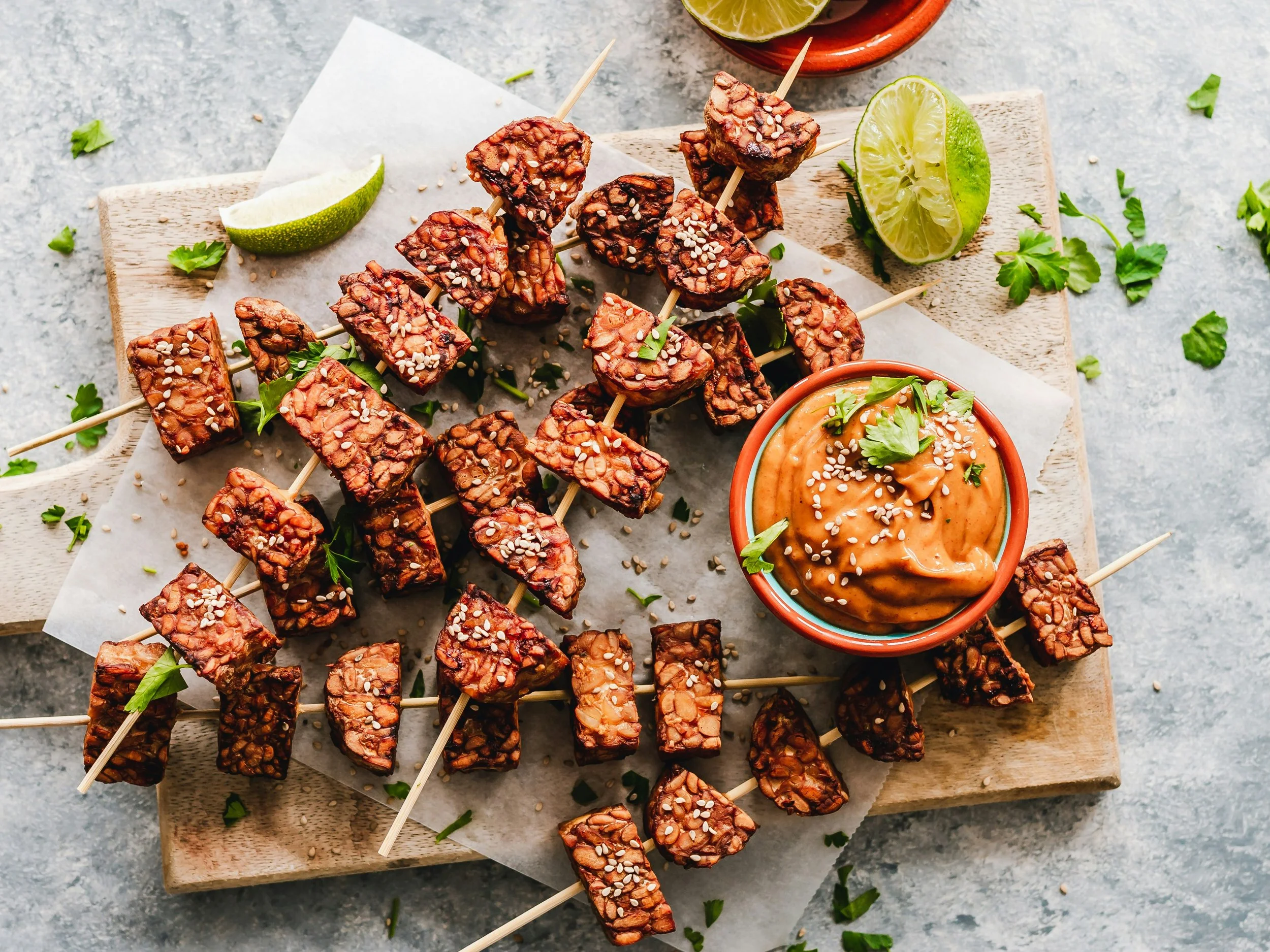
Foods that contain soy are special because they’re complete proteins, meaning they contain all nine of the essential amino acids. Tofu is a favorite since it soaks up flavors and works in everything from stir-fries to smoothies. Tempeh is another great soy option with a firmer texture and a nutty taste.
Edamame is an easy snack or side and gives you about 17 grams of protein per cup. Soy milk is also a good higher-protein alternative to regular milk, especially if you want to boost your plant-based protein without using extra supplements.
High-Protein Grains & Seeds
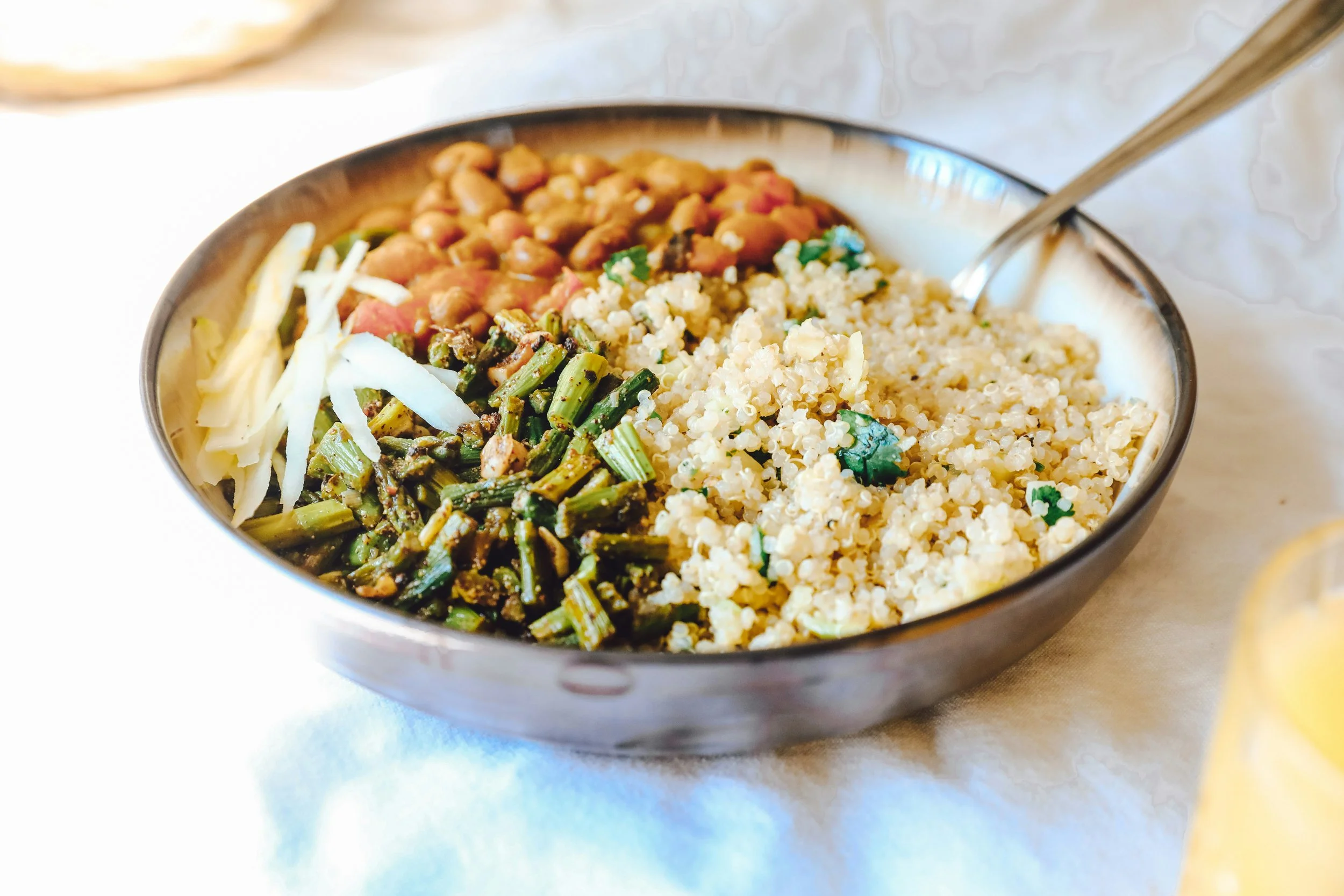
Quinoa gets a lot of love because it’s one of the few grains that contains all 9 essential amino acids to be considered a complete protein. It doesn’t have as much protein as meat or dairy, but it still adds up… Especially when you pair it with beans or tofu for a balanced meal! Hemp seeds and chia seeds are also great options for protein, healthy fats, and fiber, and you can easily sprinkle them into yogurt, smoothies, or oatmeal.
Pumpkin seeds make a great snack and are an easy way to add more protein to your day. Oats by themselves are not very high in protein, but you can pair them with Greek yogurt or protein powder for a balanced, high-protein breakfast.
Plant-Based Protein Cheat Sheet
| Food | Protein Per Serving |
|---|---|
| Lentils | 18g per cooked cup |
| Chickpeas | 15g per cup |
| Black beans | 15g per cup |
| Tofu | 10g per 1/2 cup |
| Tempeh | 15g per 1/2 cup |
| Edamame | 17g per cup |
| Soy milk | 7g per cup |
| Quinoa | 8g per cooked cup |
| Hemp seeds | 10g per 3 tbsp |
| Pumpkin seeds | 7g per ounce |
Final Thoughts
If you’ve ever wondered which foods are high in protein, I hope this cheat sheet gives you a clear and practical place to start. Whether you prefer meat, seafood, dairy, eggs, or plant-based foods, there are plenty of protein-rich options to choose from.
To sum up, here is a protein-rich foods list for meat eaters and vegetarians/vegans:
| Protein-Rich Foods for Meat Eaters | Protein-Rich Foods for Vegetarians & Vegans |
|---|---|
| Chicken breast | Lentils |
| Turkey | Tofu |
| Tuna | Edamame |
| Salmon | Tempeh |
| Lean beef | Beans |
| Greek yogurt | Chia seeds |
| Eggs | Hemp seeds |
The key is to find protein sources you actually enjoy and can stick with in your daily and weekly meals.
Remember, protein isn’t just for building muscle. It also helps with recovery, metabolism, staying full, healthy aging, and your overall wellness. Getting enough protein during the day can help you feel more energized, satisfied, and on track with your health goals.
If you’d like help learning how to balance protein, carbs, and fats without feeling overwhelmed, learn more about my online weight loss coaching programs!
FAQs
-
Some of the foods highest in protein include chicken breast, turkey, tuna, lean beef, shrimp, cottage cheese, Greek yogurt, and protein powders.
-
Popular vegetarian protein sources include lentils, tofu, tempeh, edamame, chickpeas, black beans, quinoa, hemp seeds, and Greek yogurt.
-
Plant proteins can absolutely support health and muscle growth. While some plant proteins are less digestible or incomplete on their own, eating a variety of plant foods throughout the day helps provide all essential amino acids.
-
A simple way to increase protein intake is to include a protein source at every meal and snack. Greek yogurt, eggs, protein shakes, chicken, cottage cheese, tofu, and tuna are all convenient options.
-
Protein needs vary, but many active adults benefit from roughly 1.2–2.0 grams of protein per kilogram of body weight daily, depending on goals, activity levels, and age.
