
How to Have a Healthy Relationship With Food and Lose Weight
If you’re like many women, you know that weight loss can feel emotionally draining before it ever gets physically tough. You want to feel confident in your body, lose weight, and stop thinking about food all the time. But you’re also tired of strict diets, endless food rules, and the cycle of being “good” one day and feeling like you’ve failed the next.
Does it ever feel like you have to choose between losing weight and actually living your life while enjoying your food? Or maybe you think that if you work on your relationship with food, your weight will never change. If so, you’re not alone.
The good news? You don’t have to pick one or the other.
It’s absolutely possible to build a healthy relationship with food and lose weight at the same time. In fact, this is the best way to see lasting results. The women who succeed long-term aren’t the ones who are the strictest or most disciplined all the time. They’re the ones who let go of perfection and focus on building consistency, balance, and trust with themselves.
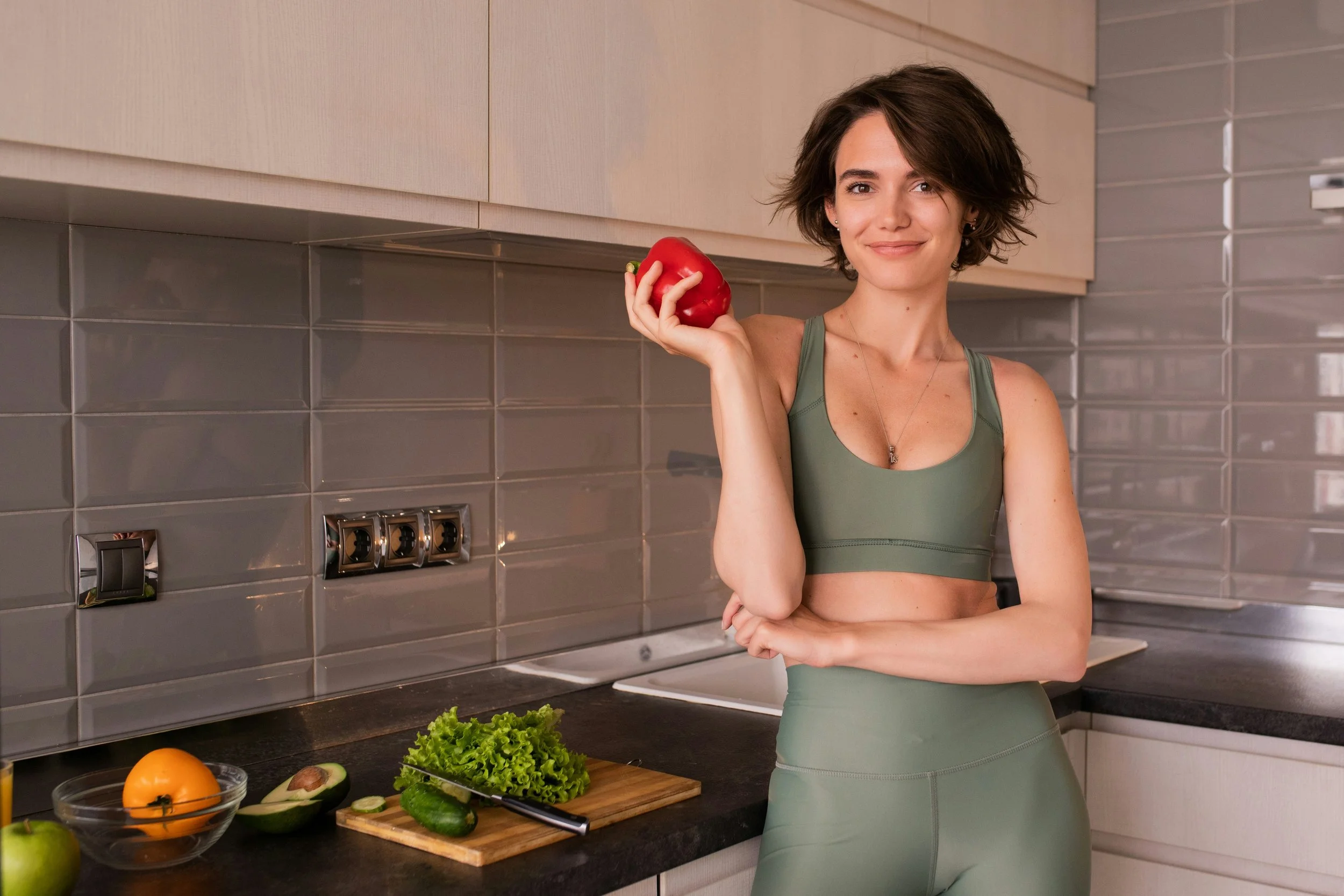
The biggest barrier to weight loss usually isn’t a lack of knowledge. Most women already know which foods are nutritious. The real challenge is breaking free from emotional eating patterns, all-or-nothing thinking, and trying to force change through restriction instead of positive support. When food feels stressful, or you feel guilty about your choices, it’s almost impossible to stay consistent.
A healthy relationship with food takes away that stress. When food isn’t the enemy, weight loss stops feeling like a battle and starts to feel doable.
Key Takeaways
A healthy relationship with food actually HELPS you lose weight, instead of working against you.
At the end of the day, being consistent matters so much more than being perfect, and no single meal can undo your progress.
Your emotional patterns around eating matter more than any meal plan or macro count.
Allowing your favorite foods without guilt leads to better long-term results.
Sustainable weight loss comes from small, repeatable habits that fit your real life.
Why Your Relationship With Food Determines Your Weight Loss Success
Eating is rarely just about hunger. Stress, emotions, habits, routines, social events, past diets, and even your own self-talk all play a role in your food choices. If you don’t look at these factors, weight loss can feel fragile and exhausting.
It’s common to fall into a cycle of restriction and overeating without even realizing it. You might cut out foods you enjoy, try to be perfect, and rely on willpower alone. Eventually, cravings get stronger, your energy drops, and one “off” meal feels like a failure. That feeling can make you want to give up altogether.
This pattern isn’t about discipline. It’s really about your relationship with food.
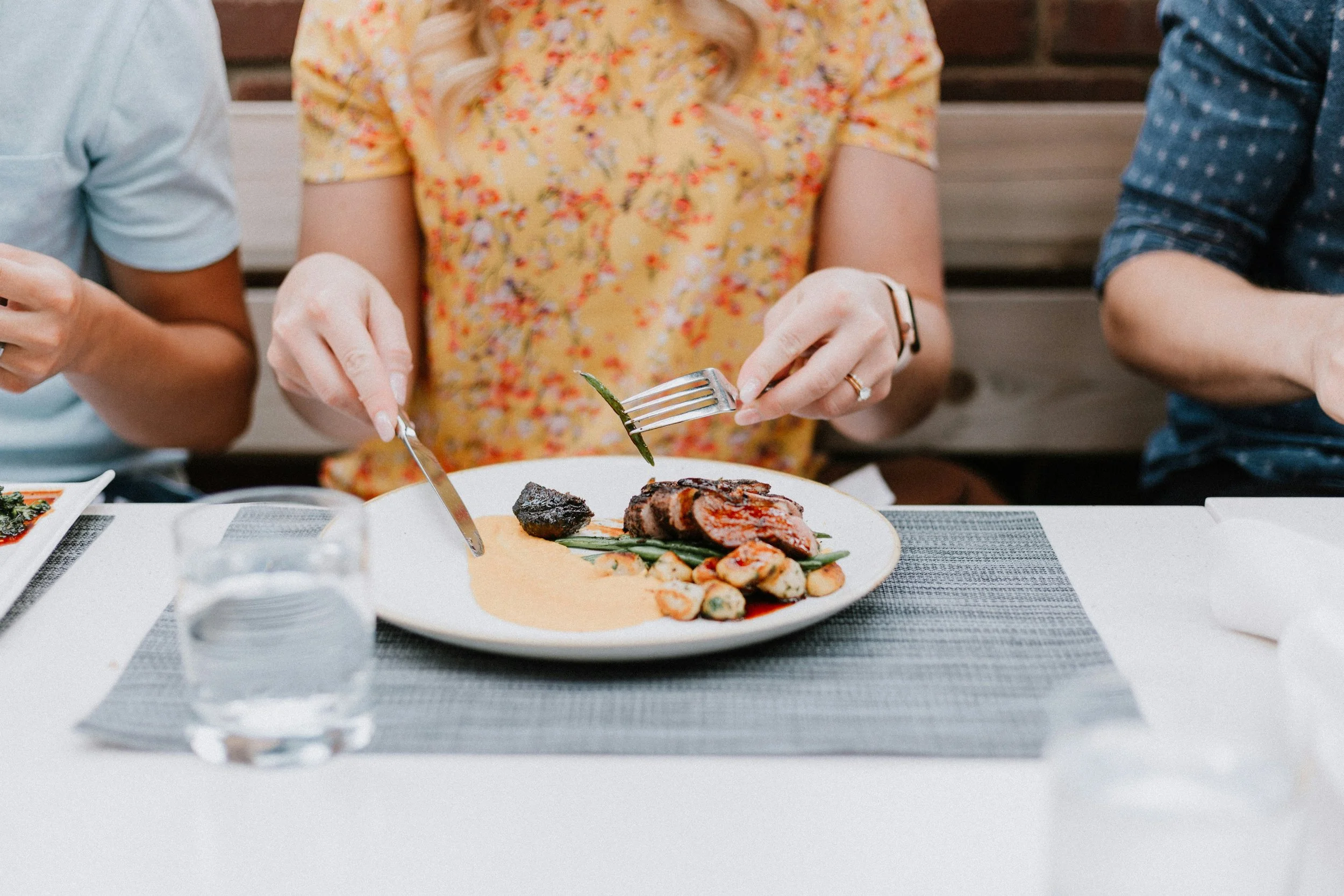
If you see food as something you have to always control, weight loss can feel stressful and unsustainable. But when you see food as fuel, nourishment, and even enjoyment at times, it’s much easier to stay consistent. This is why your emotional patterns around food matter more than simply counting calories or following strict plans.
Consistency is what really drives weight loss. Eating well most of the time, being flexible when setbacks happen, and moving forward without punishing yourself is what creates momentum. One piece of pizza never causes weight gain, just like one salad never causes weight loss. What matters is the pattern you repeat over time.
What Building a Healthy Relationship With Food Actually Looks Like
There’s something I want to be clear about 👉🏻
When your relationship with food improves, weight loss stops feeling forced. Instead, it becomes a natural result of habits that actually feel supportive and realistic.
So, the ultimate question… HOW do you build a healthier relationship with food? Let’s dive in!
🍎 Make Better Nutritional Food Choices
Choosing nutritious foods gets easier when you focus on nourishment instead of restriction. Instead of asking yourself what you “shouldn’t” eat, try asking what will help you feel energized, satisfied, and confident throughout your day.
Try slowing down during meals, paying attention to your hunger and fullness cues, and building balanced meals. When you include enough protein, fiber, and carbs, your energy levels stay steady, and cravings usually get easier to manage.
This approach takes away the pressure to eat perfectly. Instead, it encourages you to be curious and aware. Over time, you’ll start to notice how different foods make you feel, not with judgment, but as helpful information to guide your choices.
🍕 Allowing Your Favorite Foods Without Guilt

One of the most important steps in building a healthy relationship with food is removing moral labels from eating. Foods are not “good” or “bad,” and enjoying chocolate, pizza, or wine does not mean you lack self-control.
In fact, eliminating favorite foods often creates the exact behaviors women are trying to avoid. Restriction increases cravings. Cravings lead to overeating. Overeating leads to guilt. Guilt leads to starting over.
When you allow your favorite foods on purpose and enjoy them in reasonable portions, they lose their emotional power over you. Instead of feeling out of control, you start to trust yourself. That trust is what makes consistency possible, and that’s what leads to sustainable weight loss.
You don’t have to give up enjoyment to lose weight. The key is learning how to include enjoyment without letting it throw off your overall habits.
😇 Being Honest With Yourself About Your Portions and Patterns
A healthy relationship with food means being honest with yourself, but keep in mind that being honest is different than being critical. Notice your patterns without labeling yourself as “good” or “bad.” You might start to see emotional triggers, habitual snacking, or portion sizes that don’t match your goals.
Awareness gives you choices. When you see your patterns clearly, you can decide what small changes feel realistic. Maybe that means eating more mindfully, adjusting your portions, or finding new ways to handle stress that don’t involve food.
Progress comes from being curious, not controlling. The goal isn’t to eat less at all costs. It’s to eat in a way that supports your body and your life.
Why Consistency Matters More Than Perfection
Most women don’t struggle with weight loss because they don’t know what to do. Heck, I like to joke that some of the women I work with know MORE than I do when it comes to weight loss, simply because they've done so many programs over the years to lose weight.
The real struggle comes from believing you have to be perfect. Perfection creates pressure, and that pressure leads to burnout. Consistency, on the other hand, builds trust. When you keep coming back to supportive habits, even after indulgences or busy weeks, weight loss becomes sustainable. Missed workouts or unplanned meals don’t have to feel like failure. They’re just part of the process for everyone.
Maintaining your weight loss comes from repeating small actions over time… These actions include simple habits like eating balanced meals most days, moving your body when you can, and handling challenges with flexibility… All of which creates momentum that perfection never will.
How to Practice Consistency Without Feeling Restricted
Remember that consistency should feel supportive, not punishing. When your routines are flexible and realistic, it’s much easier to stick with them during holidays, social events, travel, or stressful weeks. Planning meals ahead of time, leaving room for treats, and setting realistic expectations can help you stay on track even when things aren’t perfect.
Consistency does NOT mean doing everything right. It means moving forward even when things aren’t perfect. Coming back to habits that support you, again and again, is what creates lasting change.
This approach builds confidence. Every time you recover without guilt, you build more trust in yourself. That trust makes it easier to stay consistent in the future.
Final Reflections
Learning how to have a healthy relationship with food and lose weight isn’t about control. It’s about finding freedom. Freedom from guilt. Freedom from always dieting. Freedom from thinking you have to be perfect in order to succeed.
When food feels neutral and supportive, weight loss becomes sustainable. Your confidence grows, emotional stress around eating fades, and progress feels possible instead of exhausting. Building a healthy relationship with food doesn’t just change your body. It changes how you experience your life.
If you’re ready to stop dieting and start making real, lasting changes, personalized coaching can help you build consistency, confidence, and a healthier relationship with food.
