
4 steps to creating a calorie deficit!
Many people know the term but don’t fully understand it or are unsure how to apply it in practice.
In simple terms, creating a calorie deficit means consuming fewer calories than your body needs to maintain your current weight, which is a requirement for weight loss.
By doing this, your body burns stored fat for energy and helps you lose unwanted weight. However, you shouldn’t jump into a calorie deficit and not eat properly for the sake of shedding a few pounds. Doing so may only lead to a rebound of lost weight, and surely, you would like the result to last.
Fortunately, I have a few helpful tips to help you lose weight in a sustainable way. In this article, I’ll also answer the following common questions about creating a calorie deficit the proper way:
What is a calorie-deficient diet?
How does a calorie deficit work?
How can you implement a calorie deficit safely and effectively?

Key Takeaways
A calorie deficit means consuming fewer calories than you burn, which, if done smartly and sustainably, can lead to weight loss.
Everyone’s individual calorie needs vary, so focus on small, manageable food swaps and moderate exercise to maintain a moderate deficit without feeling deprived. As tempting as it can be, try not to focus on the calories that work for your sister or best friend to lose weight. Focus on what works for YOU!
Consistent tracking and adjustments are important for long-term weight loss success, so find a balance that works for you and stick with it.
What Is a Calorie Deficit Diet?

A calorie-deficient diet involves consuming fewer calories than you burn, prompting your body to use stored fat for energy and leading to weight loss.
Although the science behind creating a calorie deficit is remarkably simple, executing it (especially in today’s busy world, where so many of us have competing priorities) can be tough!
❌ When it comes to creating a calorie deficit, one of the most common myths is the belief that extreme measures (like drastic calorie cuts or skipping meals) are needed to lose weight.
✅ Instead of trying drastic diets, the goal is to make smarter food choices, opting for nutrient-dense foods over empty calories, which leads to consuming fewer calories.
“Calorie Deficit” Sounds Simple… Until You Try It
A calorie deficit occurs when you eat fewer calories than your body requires to maintain its current weight. In other words, it’s about burning more calories than you consume.
However, achieving this balance does NOT mean you need to starve yourself! In fact, this is one of the biggest mistakes that I see as a weight loss coach.
Calorie needs vary significantly among individuals and are influenced by factors like age, sex, body composition, and physical activity levels.
As I already mentioned, personalized recommendations are important because what works for you may not work for another person. At the end of the day, the key to sustainable weight loss is creating a calorie deficit that works for YOUR body and goals.
When it comes to weight loss, consuming fewer calories mixed with increased exercise tends to lead to the best results.
💡 Consuming roughly 500 fewer calories per day (than needed to maintain your current weight) can lead to a loss of about a pound per week, most weeks.
Choosing nutrient-dense foods ensures your body receives the nutrients needed to thrive, without over-consuming fewer calories per day. Plus, it helps to keep you feeling full and satisfied between meals. That’s a win-win in my book!
How to Figure Out a Calorie Deficit: Step-By-Step Guide
Step 1️⃣ – Figure Out Your Calorie Needs
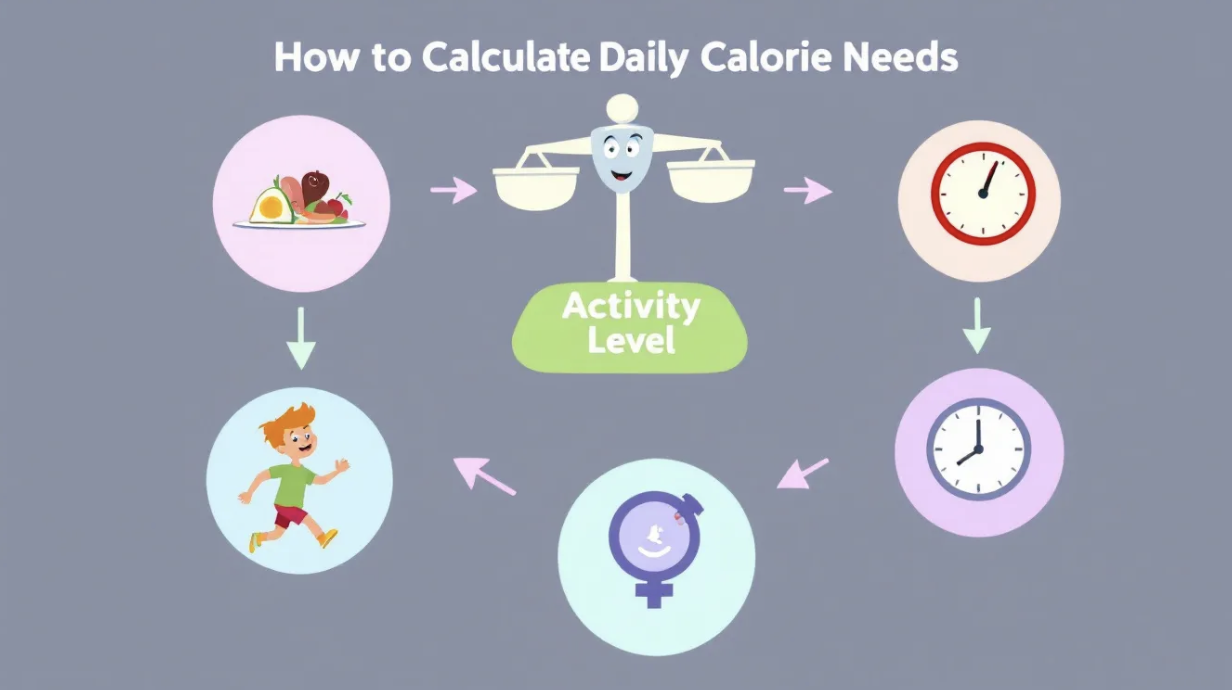
Start by determining how many calories your body needs to maintain your current weight at your current activity levels.
Understanding your Basal Metabolic Rate (BMR) or Total Daily Energy Expenditure (TDEE) can help, as well as considering other factors such as age, sex, weight, height, and activity level.
An easy way to determine your maintenance calories is to log your calories (using an app like MyFitnessPal) while maintaining your current weight for 2-3 weeks.
☝️ It’s important to understand that while activity does help to create a calorie deficit, both wearables (like smart watches) and people tend to often overestimate calories burned during workouts.
This means that you may not be burning as many calories as you *think* during your workouts. Because of this, I always recommend to clients that they do not “eat back” the calories burned during exercise.
Step 2️⃣ – Adjust Nutrition to Create Your Deficit

After understanding your daily calorie needs for maintenance, it’s time to determine your calorie deficit.
A daily deficit of roughly 500 calories is a good starting point for most people. After consistently eating in this moderate deficit for 2-4 weeks, notice your results and how you are feeling. Be open to adjusting your calorie deficit based on how you feel and the results you notice.
To create a calorie deficit through nutrition, consider the following:
✔️ Make smarter food choices and control portion sizes.
✔️ Identify high-calorie foods in your diet.
✔️ Find healthier alternatives, like swapping French fries for air-popped popcorn or fresh fruit.
These small changes can significantly reduce calorie intake while cutting calories without feeling deprived.
What to Keep in Mind When on a Calorie Deficit
Choose healthy, nutrient-rich whole foods
Focus on nutrient-dense whole foods that supply the nutrients your body needs while keeping you full, such as lean proteins, whole grains, and vegetables.
Do not drastically cut your calories
Avoid drastically cutting your calories, because this can lead to low energy, nutritional deficiencies, and unwanted binging (which leads to potential weight gain.)
Learn to control your portion size
Portion control is one of the best strategies to create a calorie deficit. Use smaller plates, measure food portions, and be mindful of serving sizes to consume fewer calories while still feeling satisfied AND while still enjoying all foods (including pizza and dessert.)
The goal is to establish a sustainable eating plan that maintains your calorie deficit without causing stress, deprivation, or excess hunger.
Step 3️⃣ – Add Movement to Support the Deficit
Exercise supports a calorie deficit by increasing the number of calories you burn. Adding physical activity to your routine helps balance your calorie intake and expenditure, making it easier to maintain a deficit.
Find a sustainable level of activity that you envision yourself doing long-term.
❌ Overtraining or choosing exercises that you despise can cause burnout and/or injury, hindering your weight loss goals.
✅ Instead, experiment with exercises like walking, dancing, weight lifting, cycling, or swimming, and notice how you feel during and after your workouts.
Strength training is especially beneficial as it builds muscle mass, increases your resting metabolic rate, and helps you burn more calories at rest. The key is to find a balance of movement that you enjoy and that supports your overall health and well-being.
Step 4️⃣ – Track, Adjust, and Stay Consistent
Monitoring your progress ensures that you stay on track with your weight loss and calorie deficit goals. Here are some ways to stay motivated on your journey:
Keeping a food log
Taking progress photos
Celebrating non-scale victories, such as having more energy or noticing that your clothes fit better
If you hit a plateau, where your average weight does not change over 3 weeks despite eating in a calorie deficit, consider:
Adjusting your calorie intake
Increasing physical activity
Monitoring portions for consistency

When it comes to sustainable weight loss, patience is key. When making progress, keep in mind:
Steady weight loss is more sustainable AND healthier than rapid loss.
Progress may feel slow, but consistency is key.
Focus on your long-term goals, such as longevity and better health as you age.
Adjust as needed to continue moving forward.
Smartphone apps can be helpful for tracking food intake, providing insights into eating habits, and making informed nutrition decisions. However, aim to create a sustainable plan that you can maintain, rather than relying solely on numbers and data. This transition to maintenance is exactly what I teach my clients using healthy habits.
Common Mistakes to Avoid
A common mistake many people make when trying to lose weight is cutting calories too quickly. While it might seem like a faster path to results, it can actually backfire — leading to extreme hunger, low energy, dizziness, and even hormonal or blood pressure issues.
Beyond the physical effects, dropping calories too low can also create a stressful relationship with food and your body, often fueling the “restrict-then-binge” cycle.
Instead, focus on gradual adjustments. A smaller, sustainable calorie reduction helps you feel better, stay consistent, and enjoy the process while still making steady progress toward your goals.
It’s also important not to overlook the essentials that support your overall health and long-term success:
Prioritize protein: It helps you stay fuller longer and preserves muscle while losing weight.
Get enough sleep: Quality rest supports recovery, energy levels, and metabolism.
Manage stress: Chronic stress can impact hunger hormones and slow progress.
Don’t become dependent on tracking apps: They can be helpful tools, but developing awareness and intuition around food is key for long-term success.
Avoid skipping meals: This often leads to overeating later. Instead, aim for balanced meals and healthy snacks to keep your energy and hunger steady throughout the day.
By paying attention to these foundations, you’ll create a healthier, more sustainable approach to weight loss — one that supports both your physical and mental well-being.
Monitoring Progress and Adjusting Goals
Tracking your progress accurately is one of the most important parts of creating a successful calorie deficit — but it’s also one of the trickiest.
Tools like calorie-counting apps can be really helpful for awareness and accountability, but they’re only as accurate as the information we put into them. Many people unknowingly underestimate portion sizes or forget to log small bites, licks, and tastes (I call these the BLTs), which can add up over time and slow progress.
That’s why it’s so important to treat tracking as a learning tool, not a test. The goal isn’t perfection — it’s awareness. When you notice patterns in your eating or energy levels, you can make smarter, more personalized adjustments that fit you. What works for one person’s body, schedule, or stress level might not work for another, and that’s completely okay.
If you’re doing all the right things but not seeing progress, it might be time to dig deeper. Sometimes, underlying factors like stress, sleep, hormones, or blood sugar regulation can play a role. When in doubt, checking in with your doctor may help you uncover what’s really going on.
❗ And one more thing: skipping meals often backfires. It can lead to intense hunger later, making it much harder to stay consistent. Instead, aim for regular, balanced meals that include protein, carbs, and healthy fats. This approach keeps your energy steady, your hunger in check, and your body feeling nourished… All while supporting your long-term weight loss goals.
How to Create a Calorie Deficit: Tips for Long-Term Success

Healthy weight loss requires consistency, patience, and realistic expectations. To ensure your calorie-deficient diet gets you closer to your weight loss goals in a sustainable way, follow these practical tips:
Incorporate healthy meals into your diet and add more activity into your routine
Long-term success is MUCH more likely with healthy nutrition choices and regular physical activity. According to the CDC, aim for at least 150 minutes of moderate exercise per week to support weight loss and overall health.
Swap bad foods with their healthy alternatives
Incorporate healthy snacks, lean proteins, fruits and veggies, and healthy oils into your meals to help you stay on track.
Drink plenty of water
Remember, there’s more than just eating healthy and moving: Staying hydrated is also important, as water aids in weight management and overall health.
At the end of the day, the key is to create a sustainable plan that you can stick with long-term.
Final Thoughts: A Calorie Deficit Done Right
Maintaining a calorie deficit can be sustainable with healthy food choices and physical activity that you enjoy doing. The duration of the deficit should align with your own weight loss goals, without causing intense hunger or nutrient deficiencies.
Successful weight loss requires you to monitor and adjust your calorie deficit, based on the results you notice and how you feel. A small calorie deficit, combined with lifestyle changes, can lead to weight loss that you can maintain long-term, which is where the real magic happens!
Feeling overwhelmed on how to get started? I’ve got you!
